The cultural added value of the saloon as a classic car


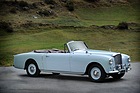
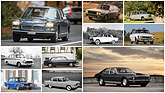
In general, with a few exceptions, coupés and cabriolets, especially sporty versions, are much more valued as classic cars than two or four-door saloons. This is partly to do with numbers and exclusivity, but also with shape and design. However, some saloons have probably survived today in smaller numbers than the less frequently built coupé with a similar pedigree, but let's leave that aside.
When it comes to mobile heritage, saloons are in many cases able to beat the supposedly more valuable coupé or cabriolet for two simple reasons.
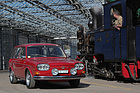
Firstly, the more popular saloon versions were naturally much more closely linked to the life of the societies of the time than more sophisticated sports versions. Secondly, and this should be emphasized here, limousines allow a broader population to experience this cultural history themselves and intensively, namely from the passenger seat. A limousine can still carry four or more passengers in addition to the driver and allow them to travel back in time.
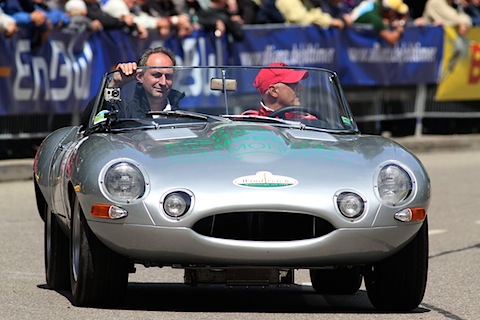
The joy with which this is taken up and enjoyed can be seen during the long nights of the museums, when old cars are used to transport museum visitors from one place to another, or when clubs organize trips with disabled or elderly people, but also when passenger rides are organized at classic car meetings.
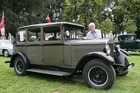
A ride in a Renault 4CV or a pre-war Rolls-Royce is much more impressive than simply looking at stationary (or even moving) cars. This is how culture is conveyed, more efficiently with a limousine than with the mostly two-seater convertibles and coupés.