The Getting Started Assistant - or why good ideas are not always practical

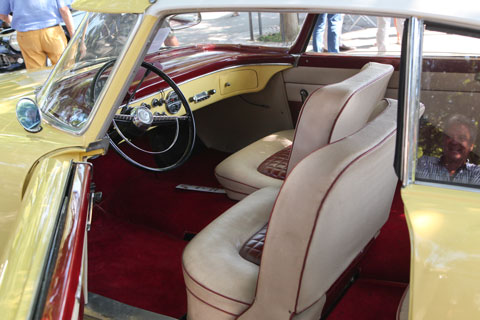
Panoramic windscreens really came into fashion over 60 years ago. Their advantage was the practically unrestricted all-round view to the front, a real panoramic view. To achieve this, the windshield had to be pulled far back. This in turn made it difficult to get in. But resourceful inventors found interesting solutions to this problem.
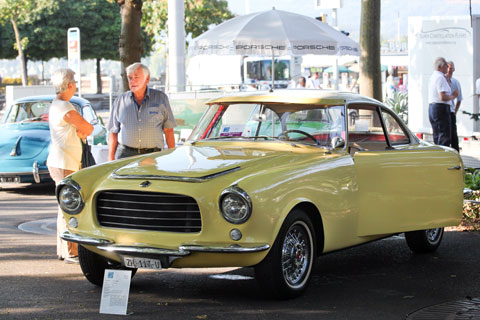
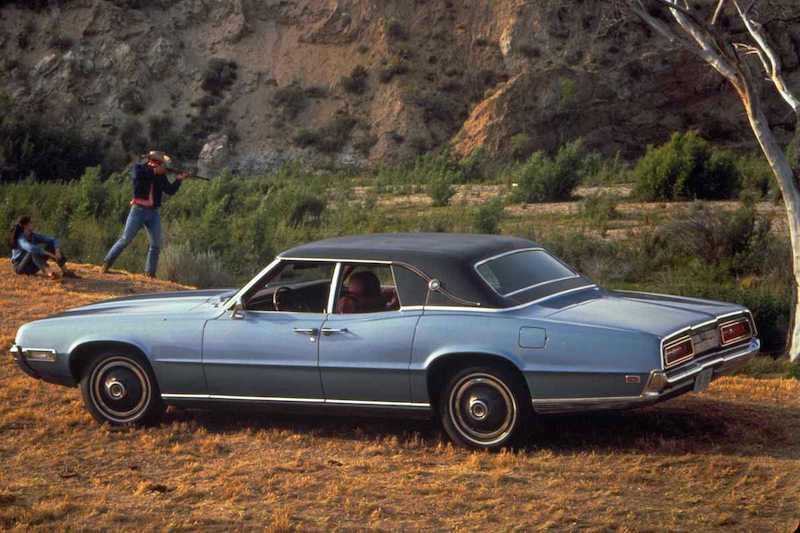
In the Ford Thunderbird from 1956, which Ghia-Aigle (Lugano) bodyworked in the form of an elegant coupé - the design is incidentally attributed to Giovanni Michelotti - a mechanism linked the vehicle door to the seat length adjustment. As soon as the door is opened, the seat moves backwards; when the door is closed, it moves forward again as if by magic. This works purely mechanically and surprisingly smoothly.
And indeed, getting into the car is extremely comfortable and easy, certainly without any bruises on the knees. The feeling when closing the doors when you are sitting in the car is somewhat more unpleasant. You are then pushed forward relatively quickly, depending on the momentum you give the door. When you get out, it's the other way around again. There is no doubt that this unusual solution works.
However, this design has not become established in terms of width, especially as not every car is equipped with such long doors as the Ghia-Thunderbird. Unfortunately, it is not possible to fine-tune the seating position in the car; once the door is closed, you sit very far forward, while the rear passengers enjoy a huge amount of legroom. But imagine driving up to the hotel. The doorman runs to the car, pulls the door open and the front seat (the system is installed on the left and right) shoots backwards, directly into the outstretched legs of the guest on the back seat. Ouch!
Incidentally, the 1956 Ford Thunderbird Ghia-Aigle was on display yesterday at the Zurich Classic Car Award, which we will of course be reporting on later.