When cars increase in value fiftyfold

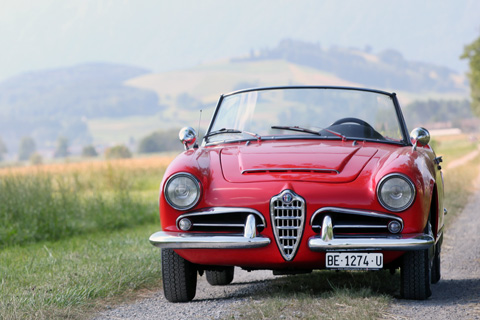
When people talk about sensational increases in value in the classic car environment, examples such as the Ferrari 250 GTO or Mercedes-Benz 300 SL usually come to mind. However, there are also much more "normal" cars that have experienced an impressive increase in value over the last few decades. As an example, we show here the value development curve for an Alfa Romeo Giulia Spider 1600 from 1962. The data for this comes from used car listings from Auto Motor und Sport and the market valuations from Classic Data.
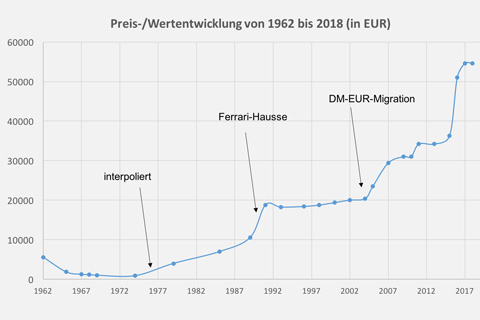
The new price at the time was around DM 12,000, depending on the year, after which the value of the open-top sports car fell, as with other cars. Towards the end of the sixties, used car prices for a nearly ten-year-old example were under DM 1000.
At some point after that, more buyers began to show an interest in the chic convertible and prices rose slightly. We have to rely a little on speculation here, as there are not many reliable values available from that time. Even in the used car pages of magazines, they rarely appeared. Towards the end of the 1980s, however, the Giulia Spider again reached prices of over DM 30,000, also benefiting from the boom in Ferrari sports cars. In contrast to the latter, however, the Spider did not suffer a complete slump in the 1990s, but basically remained at a plateau until the euro replaced the DM and the Alfa classic with the jubilant four-cylinder engine also achieved an impressive increase in value. Between 2004 and 2017 alone, the price of a well-preserved Giulia Spider rose by a factor of around 2.8. And even if prices have fallen again slightly in recent months, the open-top Alfa Romeo costs over 50 times as much today as it did in 1968, 50 years ago.
However, we are always talking about condition 2 when we talk about classic car prices, i.e. the car looks like a one- or two-year-old used car with no major signs of ageing. To keep a Giulia Spider like this, a user would have to invest a lot in care and maintenance, even overhaul the engine once in a while and put a lot into rust prevention or rust removal. The paintwork is also unlikely to have survived the years without being repainted. So tens of thousands of euros would have quickly flowed into the pretty convertible, perhaps even more money than the car is worth today.
At most, a perfectly preserved car, stored in a perfectly dry shed, might have cost less over time. But if you were to calculate 100 euros per month for the space, then in 50 years it would be worth EUR 60,000.
So leaving it standing wasn't a particularly good option either. What's more, the Alfa is a joy to drive, as our recently published report (including sound samples) shows .