When you could still save weight with simple means

When you read about development work on the modern automobile today, weight savings usually have something to do with exotic materials and complex processing. It seems that car manufacturers have lost the simple means that were once known.
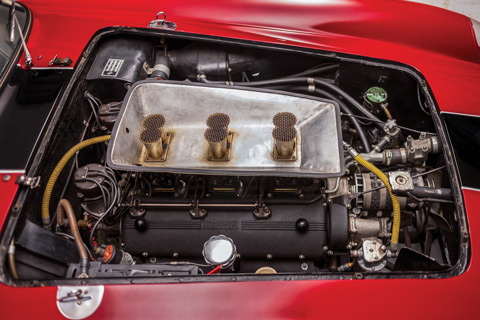
Although the coachbuilders of the past also liked to use lightweight materials (e.g. plastic or aluminum) when it came to developing cars with a good power-to-weight ratio, they also knew and used much simpler approaches, such as the art of omission. In the Ferrari 250 GT Tour de France( pictured above), for example, they simply dispensed with the hood hinges and brackets and in no time at all they had saved several kilograms. If you don't believe it, you should take a look at the sometimes extremely complex hood opening and holding mechanisms of modern cars (BMW 850i in the picture).
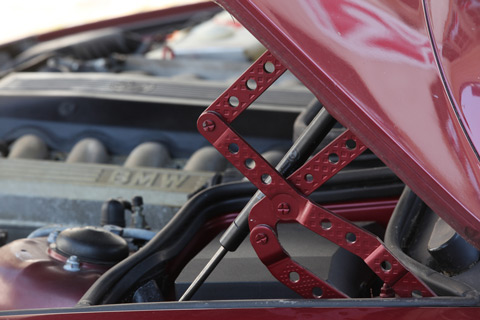
Multiple dampers, heavy hinges and elaborate brackets are not exactly evidence of lightweight construction. The aluminum hood of the Ferrari had to be lifted out of the opening by hand and placed next to the car, but the engine was easily accessible and a lot of weight was saved.
In the past, you could save a few kilograms by sacrificing comfort. Lighter seats, no radio, no air conditioning, no thick layers of insulation and heavy paneling, etc. - All of this was part of the lightweight engineers' repertoire of measures, also beautifully demonstrated on the Porsche 911 Carrera RS 2.7 (Lightweight) or the later 964 Cup/RS.
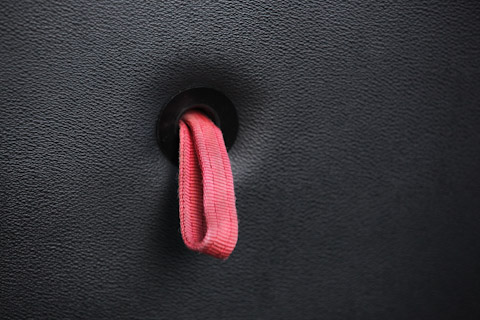
Who needs heavy door handles when a hand strap will do ...