When skilled DIY enthusiasts could still build a car themselves


It's actually hard to imagine doing that with today's cars. You buy a used Opel Astra or VW Polo and build a different car out of it, a completely different vehicle? Impossible.
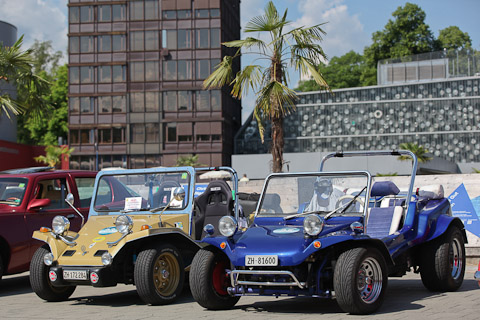
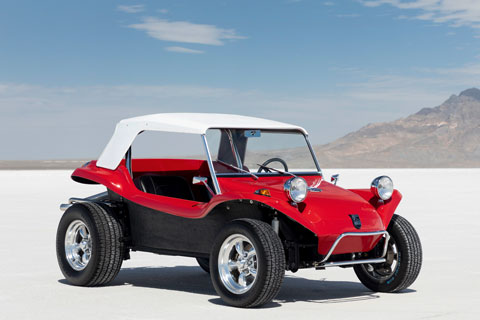
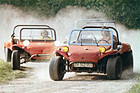
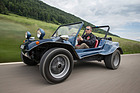
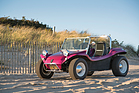
But 40 years ago, this was a real trend. The chassis of used VW Beetles were available cheaply, the usually dented or rusted bodywork was unscrewed in the garage at home and then a plastic shell was placed on top, which was available as a kit at a comparatively low price. You could use all your imagination and creativity for the interior and paintwork - no wonder no two buggies looked the same.
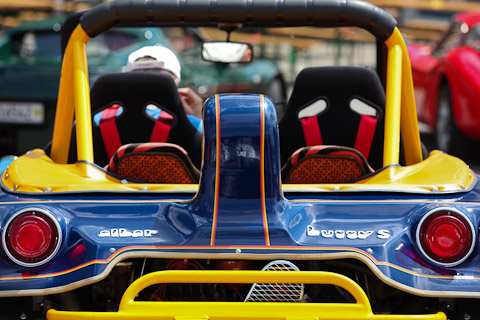
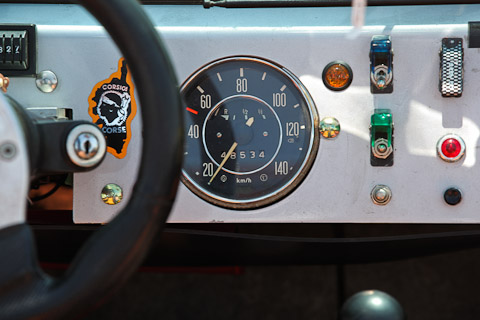
What they all had in common was the aforementioned Beetle chassis, the open design and - in most cases - the tried and tested Beetle main instrument in the dashboard.
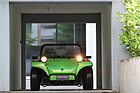
And the buggies were often transformed several times during their lifetime, with new owners putting their own stamp on them, fitting wider wheels, different seats or repainting them to suit their taste. Talking about the originality of a buggy is therefore pointless in most cases.
Hundreds of thousands of buggy kits have been sold by companies such as Meyers Manx, GP, Apal, Albar, Karmann and others, only some of which have ever made it onto the road. In fact, there are still people today who have an unused kit in storage or a VW Buggy that has been taken out of circulation and parked in their garage.

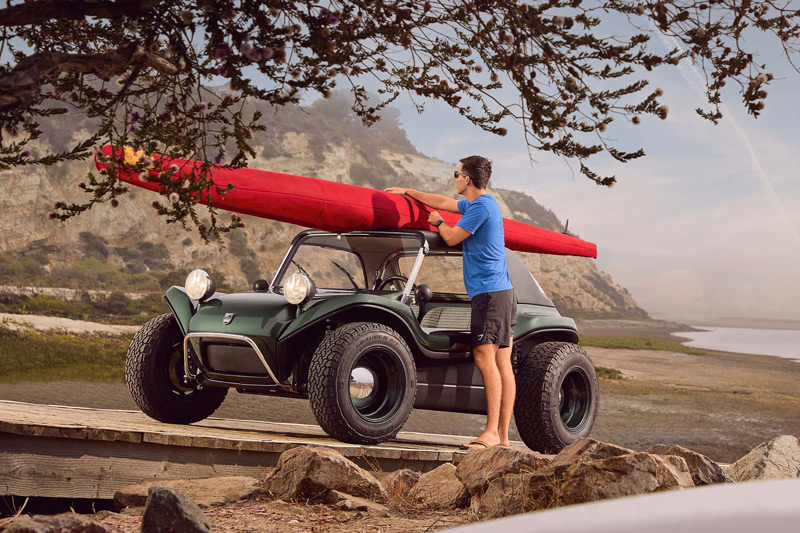
Unfortunately, only a small number of these once popular leisure vehicles are still on the road today. Yet the buggy is better suited than almost any other type of vehicle to provide driving pleasure in today's road traffic, because it is robust, largely temperature-stable and also fun at low speeds, especially in good weather, of course, when you can drive it open.
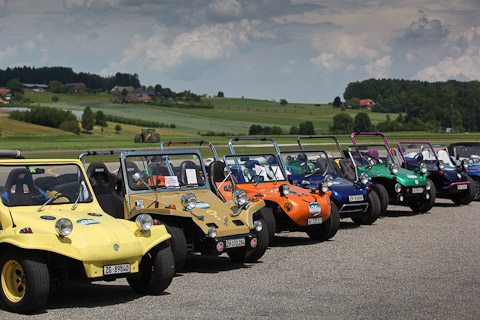
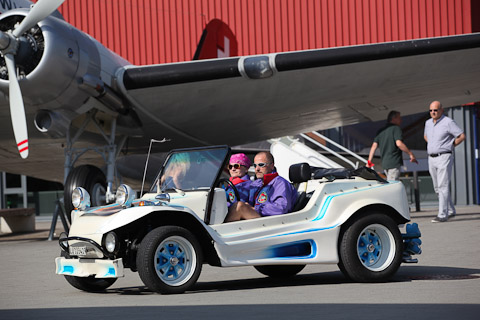
Almost 20 VW buggies were represented at yesterday's plastic car meeting "Fantastic Plastic" and they showed the whole variety of the subject, even if a very early example such as the Meyers Manx was missing. The buggies were as colorful as their drivers and ideas were diverse. The scene has remained individual and aims to keep as many of the cars of that time on the road as possible.
A large report on "Fantastic Plastic" with lots of pictures will follow in the next few days.