What drivers used to know - pay attention to power consumption


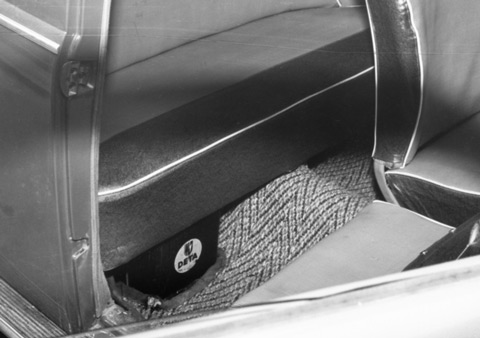
Today, cars drive around with huge 12-volt batteries, some cars even have two of them. Of course, things were very different decades ago. 6-volt batteries with compact dimensions were the norm back then (the following picture shows the 6-volt battery under the rear seat of the VW Beetle from the 1950s).
Instead of alternators, which produced electricity at practically any engine speed, alternators were used whose output was dependent on engine speed. And so it was clear that the drivers were responsible for ensuring that there was enough power.
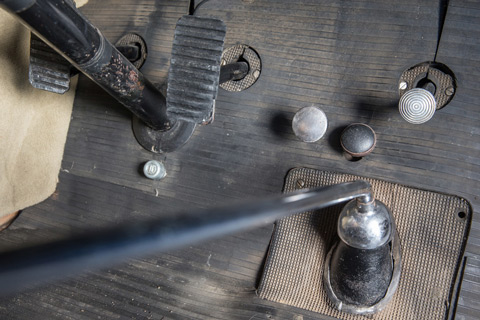
They thought carefully about which consumers they wanted to switch on at the same time. When the car was stationary for a long time, the high beam/dipped beam was reduced to parking lights to temporarily relieve the electrical system. If a rear window heater was already fitted, it was switched on with caution. And when starting the engine, the choke and accelerator pedal were also used to ensure that you didn't have to rev the engine for too long.
A reader sent us the following tip: "We were taught that a tired battery in winter was first charged for a short time with the vehicle lights so that it would "get going" and then the vehicle was started after the lights were switched off ..."
And there were probably many other recipes for getting the most out of small batteries and weak alternators. But many of these behaviors have long been forgotten ... and that brings us back to the title.