It would stay dark today - light field determination at Opel in 1959


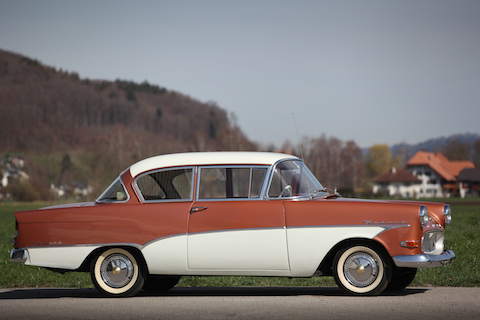
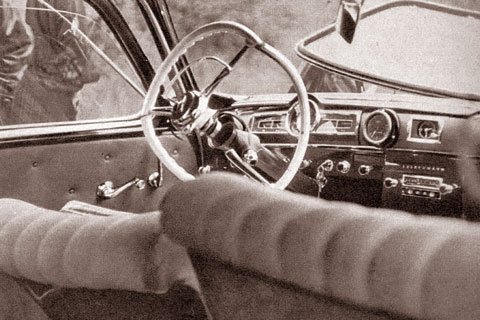
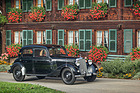
In the 1950s, good all-round visibility was an important selling point. No wonder, because the cars of the pre-war and early post-war years were still stingy with windows and it was only gradually possible to produce curved and larger glass surfaces.
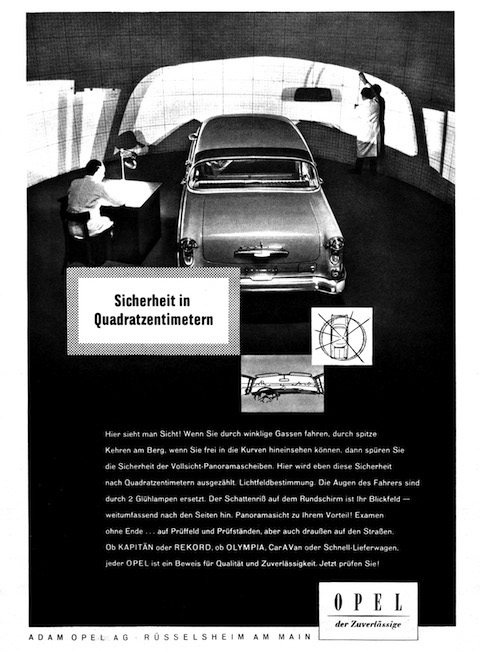
Of course, improved visibility was also a topic in advertising, for example at Opelin 1959, where they also explained how the result was tested:
When determining the light field, the driver's eyes were replaced by two light bulbs. The silhouette on the round screen corresponded to the field of vision.
And the advantages of the improved view were described: "When you drive through winding lanes, through sharp bends on hills, when you can see freely into the bends, then you feel the safety of the full-view panoramic windows ... panoramic view to your advantage!"
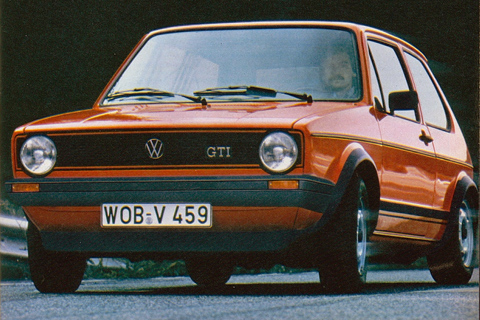
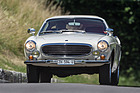
Until the 1970s, good all-round visibility was a compelling argument in sales, but then this was slowly but surely forgotten and today car manufacturers are careful not to bring up the subject in advertising, because modern cars would perform significantly worse in the light field determination than the cars of the 1960s, and some would even remain almost dark, at least when measured diagonally to the front or rear.
Here is the whole web subject with the explanations: