Intermediate throttle again and again


In the early days of the automobile, shifting gears with an intermediate clutch and intermediate throttle was a matter of course; synchronizer rings had not yet been invented and gearboxes were usually straight-toothed.
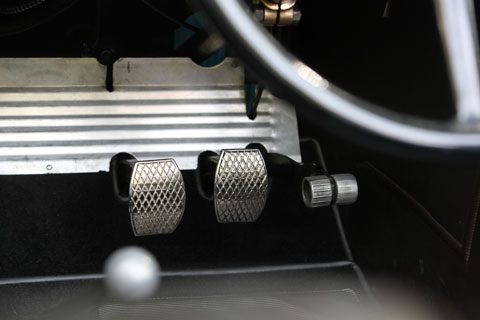
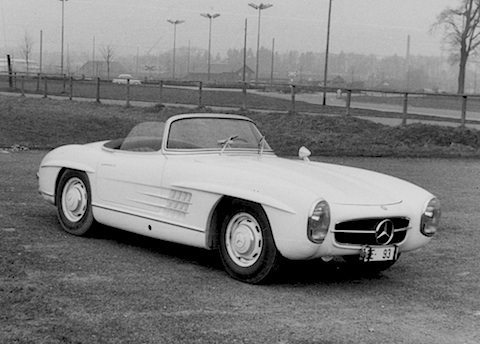
Cadillac introduced the first synchronized gearbox in 1928, but for many drivers it was still common practice well into the 1960s to engage the gears (and especially first gear) with an intermediate throttle.
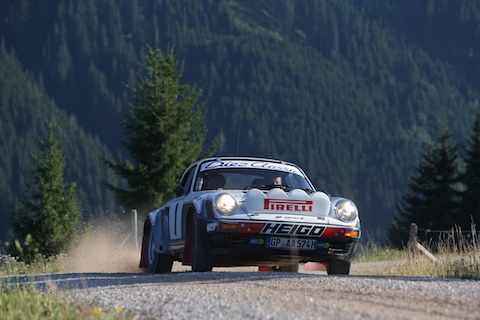
In the seventies, with helical gears and effective synchronization mechanisms, this was finally a thing of the past and only sports drivers who wanted to protect the gearbox and reduce the harmful drag model on the drive axle when downshifting, or the drivers of racing cars, who continued to use straight-toothed and non-synchronized gearboxes, gave the necessary dose of intermediate throttle.
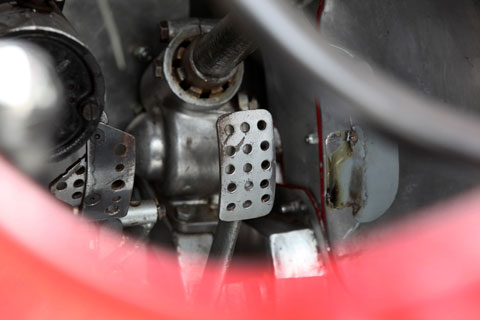
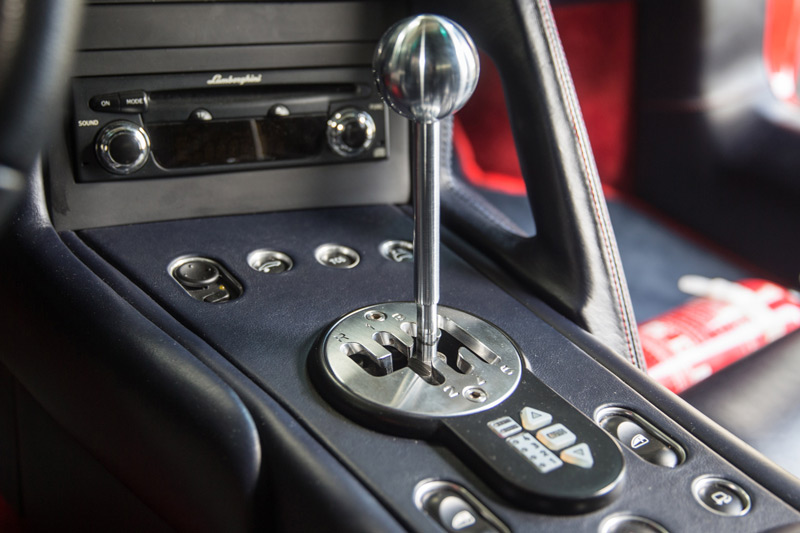
And then came the automated manual gearboxes, and the torque converter automatic and the dual-clutch manual gearbox began to gain ground and replace the conventional manual gearbox. At the same time, electronics made new conveniences possible, one of which was automatic intermediate throttle application when downshifting, even with the torque converter automatic transmission, where it makes little technical sense. But at least acoustically, the good old intermediate throttle returned and has remained in many super sports cars to this day - at least in sport mode.
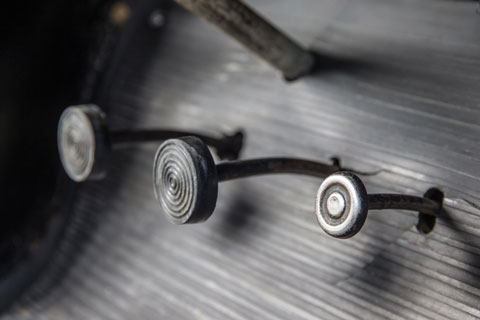
Classic car drivers, however, must of course still practise the well-kept intermediate throttle today when they are driving a pre-war car or a post-war classic that is not yet fully synchronized. And finally, this can also make life easier for weak synchronization mechanisms.