Volkswagen and the Detroit concept

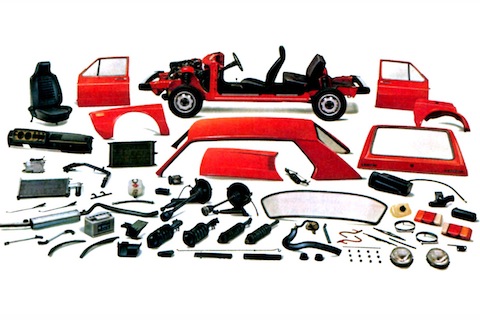
Volkswagen had successfully marketed the Beetle for decades and drivers in the United States had proved to be big fans of the "Beetle" (or "Bug"). When VW wanted to launch the Golf in the States in 1975, one year after the European presentation, they were forced to produce a U-turn. Throughout the Beetle years, they had insisted on how little they needed to change in terms of concept and technology, had focused on model consistency and had emphasized this in their advertising. And now, with the Golf, which was called the "Rabbit" in the States, came a completely new car.
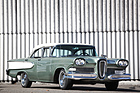
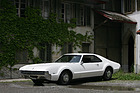
Consequently, the advertisements now emphasized how NEW the car was. At the same time, the people in Detroit, i.e. the American carmakers, were criticized for only presenting new wine in old bottles every year. The Volkswagen people called this the "Detroit principle", which would make the car look new without it really being new. In contrast, the approach now called the "VW concept" for the Golf was such that new technology would also work under the new body, which in the case of the Golf/Rabbit was also the case.
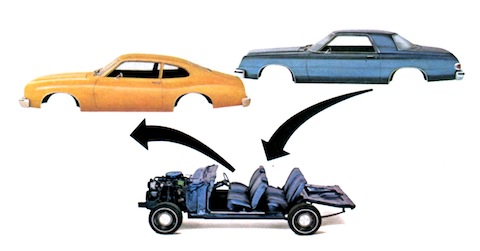
Of course, the double-sided advertisingalso emphasized the advantages of the small front-wheel drive car: fuel economy and good driving characteristics. The calculation worked out, the Americans were also convinced by the Golf, whereby the difficult times with expensive oil supplies certainly played their part.

Further thoughts and observations on the marketingof passenger cars can be found in a dedicated topic channel.