Are there "good" and "bad" classic cars?


The increasing popularity, but also excesses in the classic car hobby have led to registration offices selectively granting the privileges that classic cars receive in terms of rolling cultural heritage. A few black sheep in the scene have perhaps exploited the situation here and there, resulting in cars with H license plates or veteran registrations being put on the road that cannot really be described as old cars.
But as always, if you want to do something particularly right, increasing regulation and the loss of a sense of proportion mean that you miss the mark. From the point of view of the registration authorities, there are now "good" and "bad" classic cars.
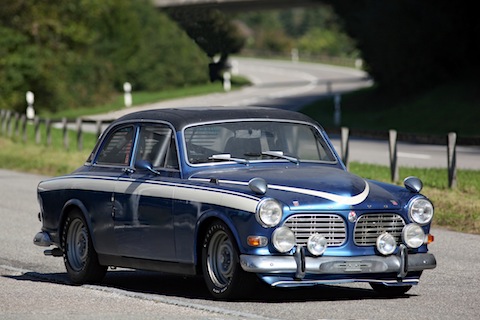
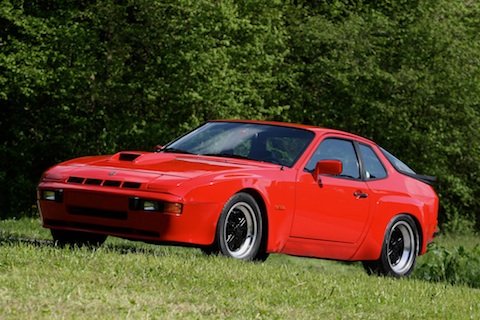
This does not refer to the basic condition of the vehicle, but to its originality and the traces left behind by its history of use. A good classic car looks as it did when it left the factory, has been continuously documented and shows as little wear and tear as possible; a bad classic car has been repeatedly adapted to the owner's needs, may show clear signs of use and has gaps in the documentation.
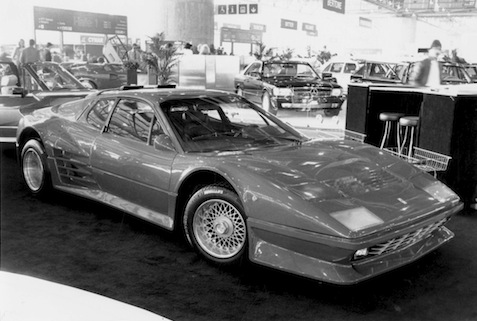
So a VW Beetle that was fitted with the engine of a Porsche 356 many years ago and whose bodywork was widened by a few centimeters to accommodate fatter wheels is a bad classic car and in many cases will not receive privileges such as an H license plate or veteran registration. The modifications may have been made as early as 1973, but they are not documented. And it is precisely such modifications that are characteristic of a phase in automotive history.
Tuning was already very popular in the seventies and eighties. Is it right if all these modifications have to be dismantled and future generations will never see any more examples of this era?