The zero hour for the SUV (Sport Utility Vehicle)

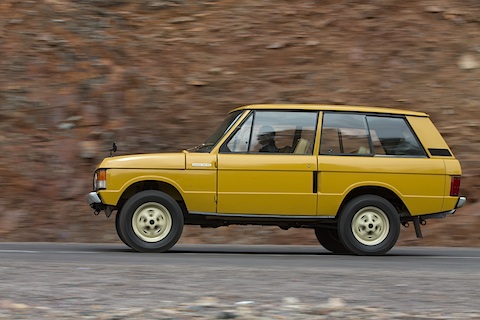
In 1970, British Leyland presented the Range Rover and landed a direct hit. An elegant shell distinguished the serious off-roader from its more archaically styled competitors. This made the off-road vehicle an option for high society and trips to the Côte d'Azur, and over the years, as we know, a veritable off-road vehicle boom developed.
In the early seventies, however, it was still necessary to argue why the Range Rover was justified. Herbert Völker wrote in Auto Revue in 1973:
"The disadvantages for civilian use are not particularly serious: increased fuel consumption due to the high weight, a somewhat uncomfortable entry, somewhat stiff steering for city traffic and a gearshift that takes some getting used to. The image of a pure safari or expedition car does the Range Rover a gross injustice: it is a good choice for any customer looking for an above-average performance station wagon in the top price class."
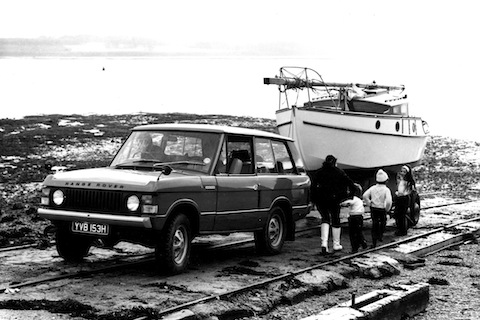
Many of the disadvantages of the first Range Rover generation have been eliminated over time and today the so-called SUVs are more off-road sports estates than thoroughbred off-roaders, but so be it. The uncomfortable entry, which was seen as a disadvantage at the time, has basically remained and was obviously never perceived as a problem, as this also results in the high driving position, which is known to appeal to women in particular. Of course, the inventors of the Range Rover could not have known at the time that hardly any of today's SUVs would ever see a surface other than tar or concrete and that four-wheel drive would only be used to improve winter traction ...
We recently published a test report on the first Range Rover .