The V8 is not dead, but ...

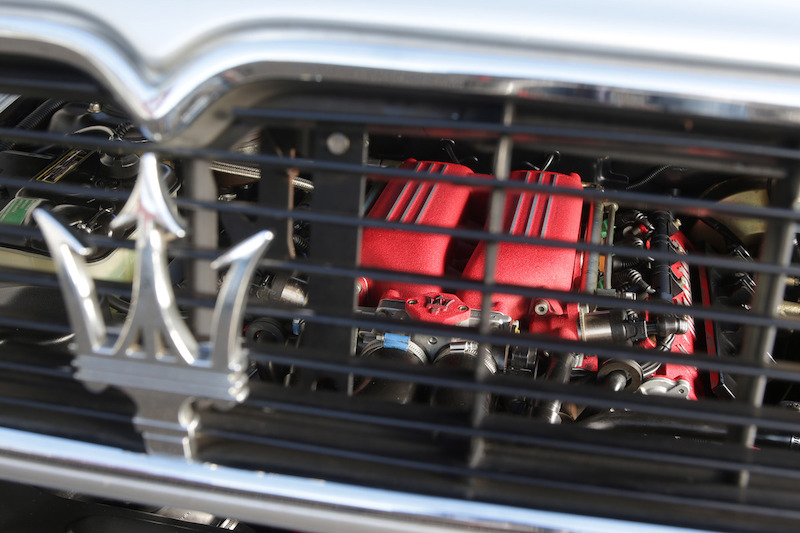
For a while, it looked as if CO2 regulations and emission standards would put an end to the V8 engine. However, this trend seems to have been halted for the time being. Recently, Dodge announced that it would continue to use V8 engines, and AMG announced the return of the V8 after customers apparently refused to accept the downsizing strategy with turbocharged four-cylinder engines.
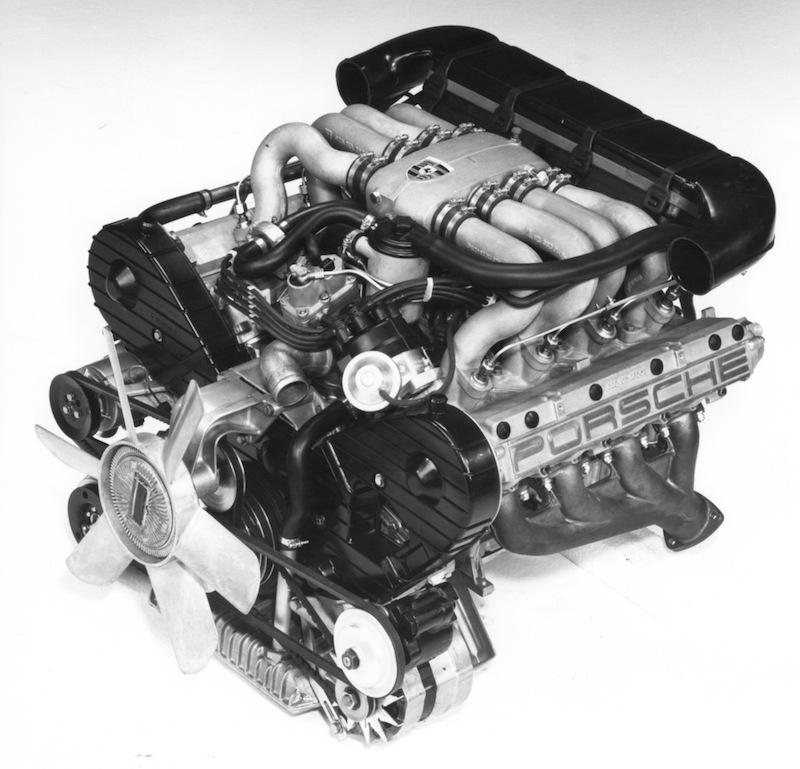
That's good, a V8 is a fine thing. However, the eight-cylinder engine is not necessarily the most desirable engine on this side of four liters of displacement. The mourning for the V8 engines almost made us forget that the six-cylinder engine is also having an increasingly difficult time.
After all, Porsche returned to the six-cylinder boxer engine in the current Boxster and Cayman (Type 718) after initially only installing four-cylinder turbo engines (the picture above, however, shows the V8 of the 928).
However, BMW and Mercedes-Benz have also been using in-line four-cylinder engines for some time now, where once in-line and V six-cylinder engines were installed. The two-liter V6 and R6 engines that were once available in affordable Ford and BMW models have almost been forgotten. Mazda, for example, even built smaller six-cylinder engines. These are also long gone.
Six-cylinder engines are an all-round good thing, because they sound good and their complexity is still manageable. The fuel consumption disadvantages are also likely to be smaller in reality than the factory specifications suggest. In any case, I can still remember a BMW 330i from the E90 series that would almost be a classic car today. It could be driven on less than seven liters per 100 km if you didn't have a heavy foot on the gas.
For me, at least, the six-cylinder is the so-called "sweet spot", although I also appreciate some four and eight-cylinder engines and naturally have the highest regard for V12 engines.

_RM.jpg)