Archives are much more than just "nice to have"

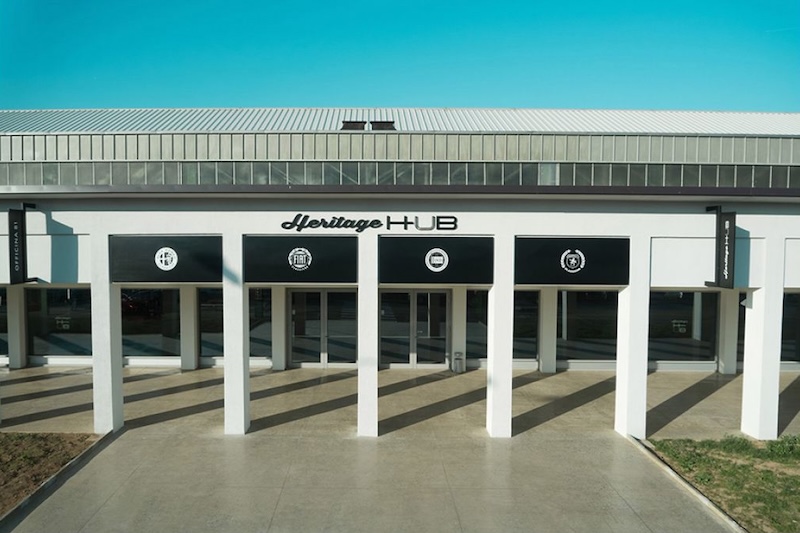
A few years ago, I was invited to Turin. The purpose was to open the FCA Heritage Hub, a competence center of Stellantis (back then it was still FCA) for the brands Fiat, Lancia, Abarth and - somewhat less pronounced since a museum with an archive had already existed in Arese for a long time - Alfa Romeo.
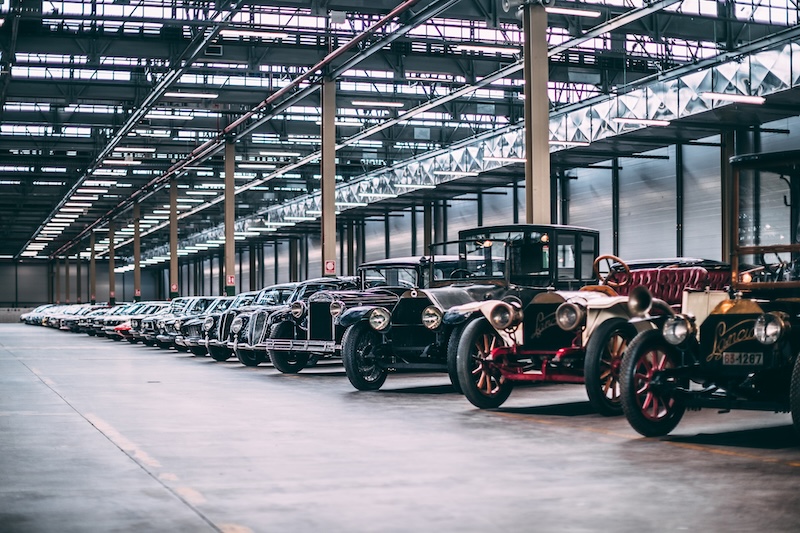
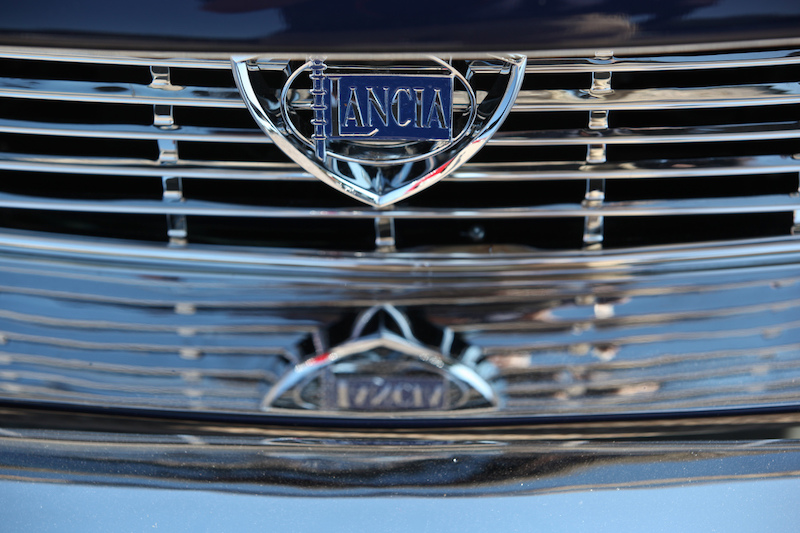
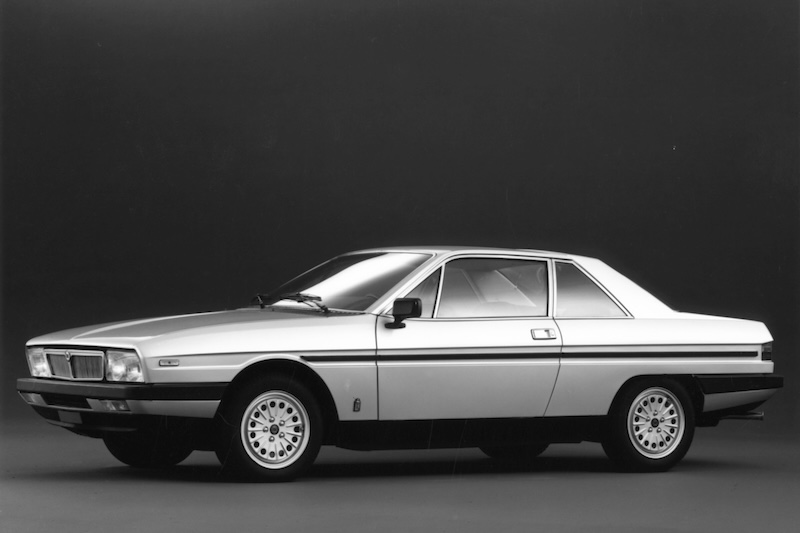
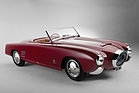
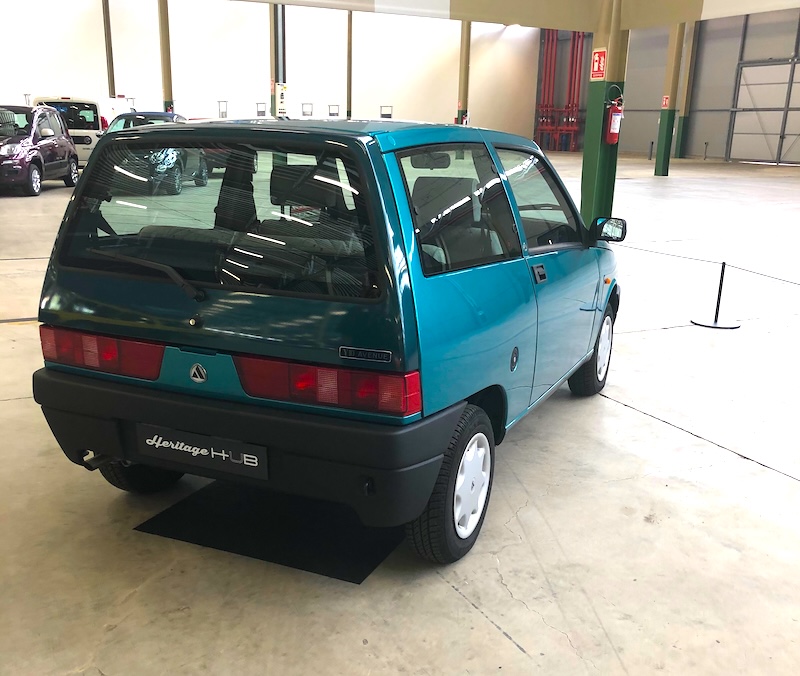
Comprehensive Lancia collection without many museum accessories.
The then FCA president John Elkann was there, as was Roberto Giolito, the director of the Heritage Hub and former Fiat chief designer. He is responsible for strokes of genius such as the current (combustion) Fiat 500 and controversial designs such as the Fiat Multipla.
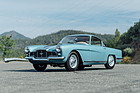
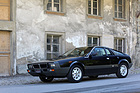
What is really great about the Heritage Hub is the wealth of Lancia models housed in an old hall of the Mirafiori factory. In principle, all the relevant models are there, and of course a few more. There are also numerous Fiat models here, including firsts and prototypes, but also some models that have completed a series and were the last to roll off the production line.
As a museum, the Heritage Hub is relatively sparsely decorated with didactic and educational accessories. The cars are largely allowed to speak for themselves. In addition, as promised at the time, all documents relating to the models built by Fiat and Lancia would also be stored here in future.
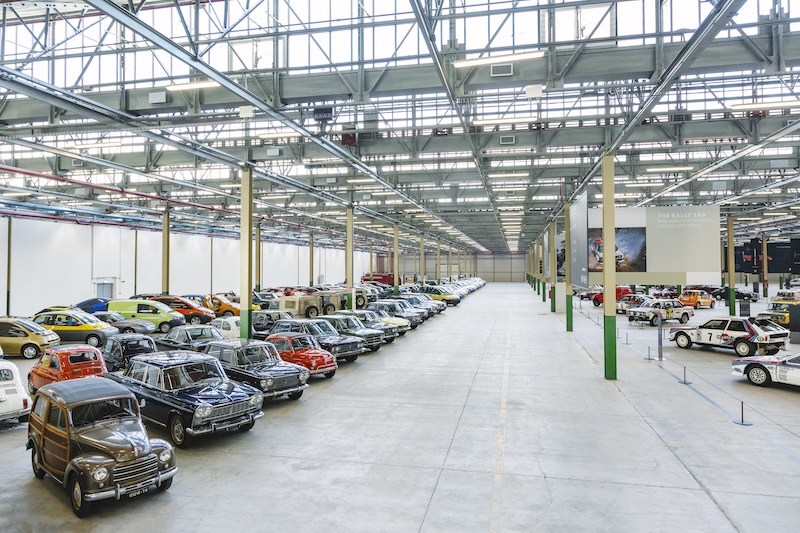
Fiat, including many examples that were the last to roll off the production line, and prototypes.
Recently, an acquaintance was looking for information about his Lancia Y. I was quite effusive in advising him to look at the Heritage Hub website. And sure enough, there is a link to an input mask where the most important vehicle data can be entered to request a build sheet, the birth certificate of a car. The required information was quickly typed in and a reply came immediately: "...we are very sorry to inform you that this service is temporarily suspended...".
Well done! There is no word on the reasons or how long it will take for the service to be reinstated.
All requests for Lancia models are currently suspended. It is unknown when the service will be available again. A request for the build sheet for a Lancia Y10 Turbo has failed.
Is this a reason to panic? We do not know. The Chrysler archive in Detroit, on the other hand, seems to continue to provide documentation for all brands under this umbrella. The person responsible, Danielle Szostak-Viers - e-mail: [email protected] - processes such requests, as confirmed by a look at various forums and supported by my own experience.
The same applies to Peugeot and Citroën, where a wide variety of documents relating to the relevant vehicles can be requested at [email protected], including the birth certificate of a car.
In the case of Opel, the request seems to work via the Alt-Opel-IG link to the Classic department of the Rüsselsheim-based company; a corresponding linkleads to the request form.
However, when you consider how complex the production processes of some cars are, but that they can still be built, it makes you wonder why such a simple topic is handled so terribly differently in one company. But do we even want that? After all, it is also pleasing that Stellantis stores certain information very close to the original sources and makes it accessible. After all, the people who were involved in the creation of the products are often still involved with their company in some way, sometimes even as volunteers for "their" archive. A centralized inquiry or even the merging of the various archives would almost certainly result in a great deal of information being lost.
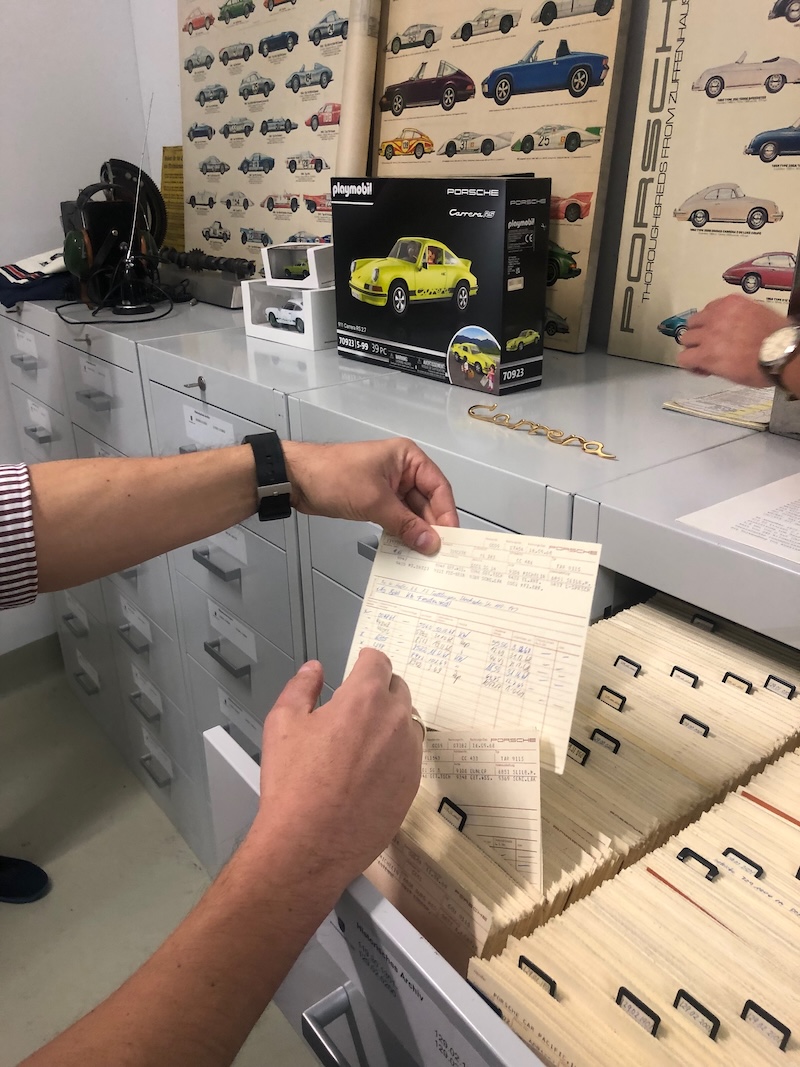
Porsche's sacred archive cabinet with the vehicle cards from the first 30 or so years of production. Archive management is much easier for a company that was once so small. However, the corporate culture in dealing with the past plays an equally important role in whether a comprehensive collection can be accessed later. Porsche is exemplary in this respect. For security reasons (forgeries!), however, the original vehicle cards can no longer be viewed in full.
Haven't archives always been in danger?
And decentralized storage is sometimes an advantage, for example for security reasons. An anecdote in passing: after the devastating fire at Browns Lane in Coventry - the Jaguar factory - in February 1957, when a production hall, the development department and several hundred cars (including some XKSSs) were destroyed by the flames, chief designer William "Bill" Heynes used to take the original plans home with him in duplicate - because of the thoughts that his boss Lyons and he himself had after the disaster. When I visited Clive Chapman of Classic Team Lotus a few years ago - at that time still in the old workshop - I was more than surprised that the historic racing team stored all the original plans of the Lotus racing cars, as well as the folders with the data of all Team Lotus races, in a wooden corpus next to the workshop or in a cupboard in the office next door, not far from where welding was also carried out from time to time. With the new building, the plans and documents are now properly stored and digitized.
But back to the volume producers: given the size required, centralized storage of archives would run the risk of being swept away by an overzealous manager in the next cost-cutting exercise. It has often been shown that decentralized, smaller archives have a better chance of standing up to the overzealousness of cost-cutting managers and redesign optimizers. However, it is then all the more difficult to obtain the relevant information.
It is to be hoped that the market launch of some Chinese car brands without any past will encourage the established manufacturers to be a little more careful with their asset, which no one can simply copy: their past. With this in mind, we will be happy to wait a little longer until certain services are reactivated for some brands.