The classic car hybrid problem

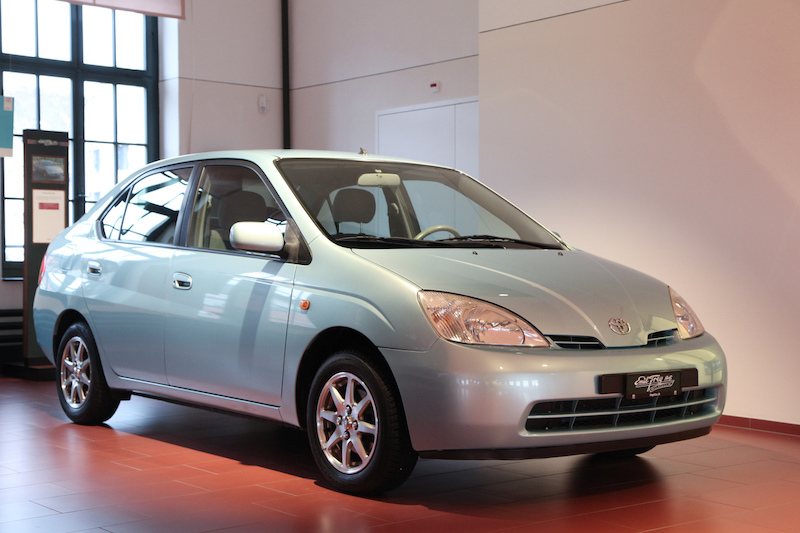
It was in 1997 that Toyota launched the Prius on the market. Honda followed in 1999 with the Insight and then it was quiet for a while. In the last ten years, however, hybrid cars have sprung up like mushrooms, as the addition of an electric motor and batteries to the combustion engine promised significantly lower fuel consumption and CO2 emissions. At least on paper. In the standardized measurement cycles, hybrid vehicles, especially those with externally rechargeable batteries, were able to achieve very low consumption figures of less than one liter per 100 km. In reality, however, such consumption figures could only be achieved over short distances and when constantly recharged.
However, the complex (and partially redundant) drive technology also led to disadvantages. Not only did the additional electric drive make the cars more complex and heavier, it also made repairs more time-consuming and expensive. No wonder used car insurance companies are already reacting with steep surcharges when it comes to hybrid vehicle warranty insurance.
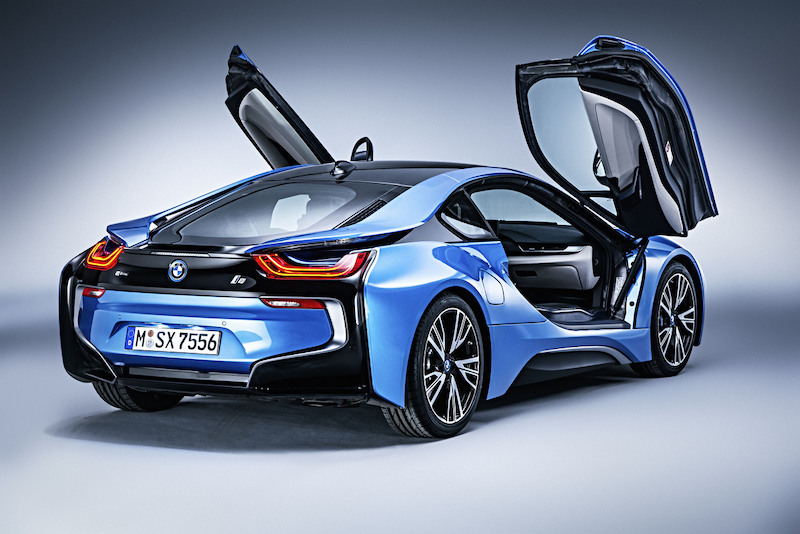
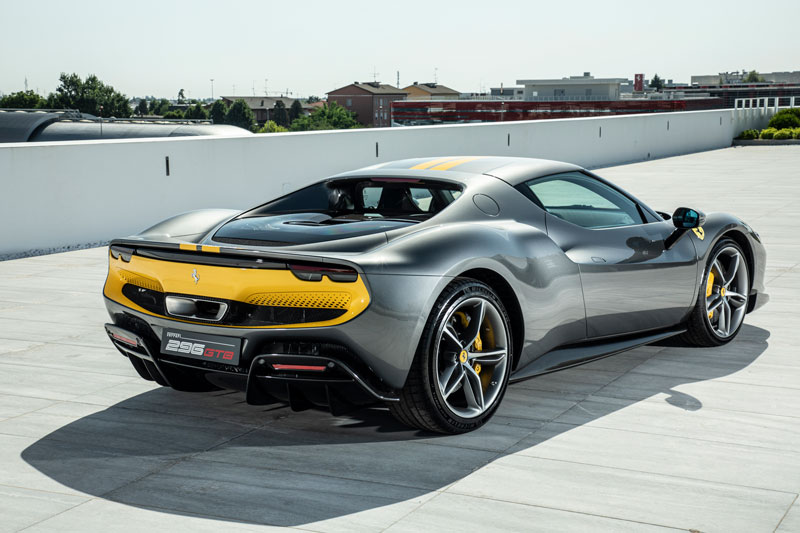
In a few years, hybrid cars, which also include attractive sports cars, will become youngtimers and oldtimers. It is to be feared that the technical complexity will then have an even greater impact on maintainability. And it has been shown that hybrid cars are also less fun to drive if the technology no longer works perfectly. And if a battery pack has to be replaced, this is often not a simple procedure. Due to the increasing networking of components, it is also to be feared that even minor faults will lead to the car becoming immobilized.
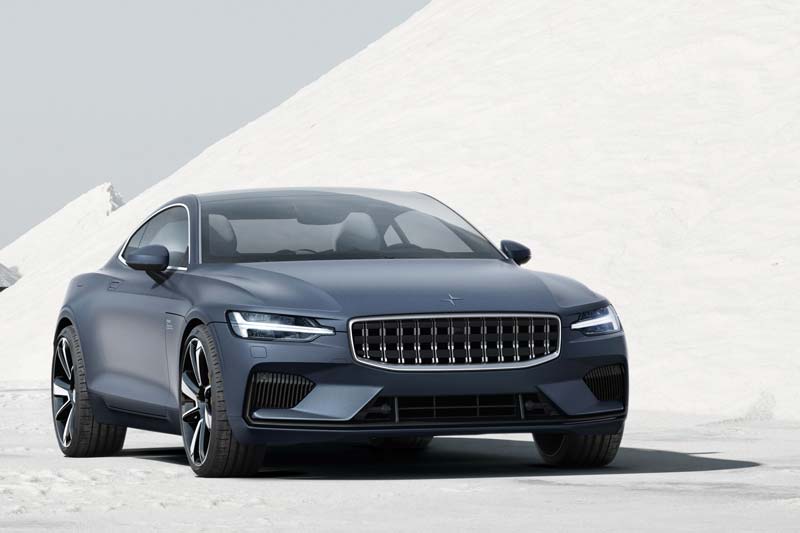
None of this will be easy, so we can only hope that there will be experienced specialists who can deal with the problems that arise. Home mechanics will quickly reach their limits.