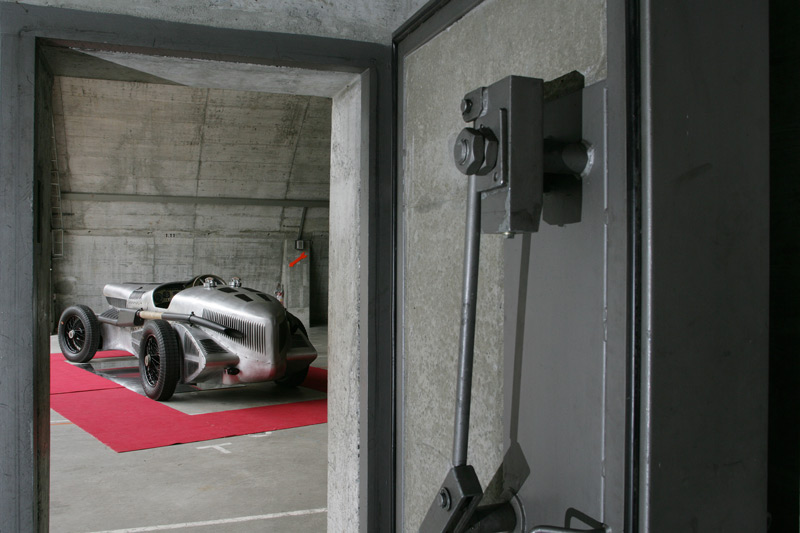
Are mobile cultural assets and tuning classic cars contradictory?

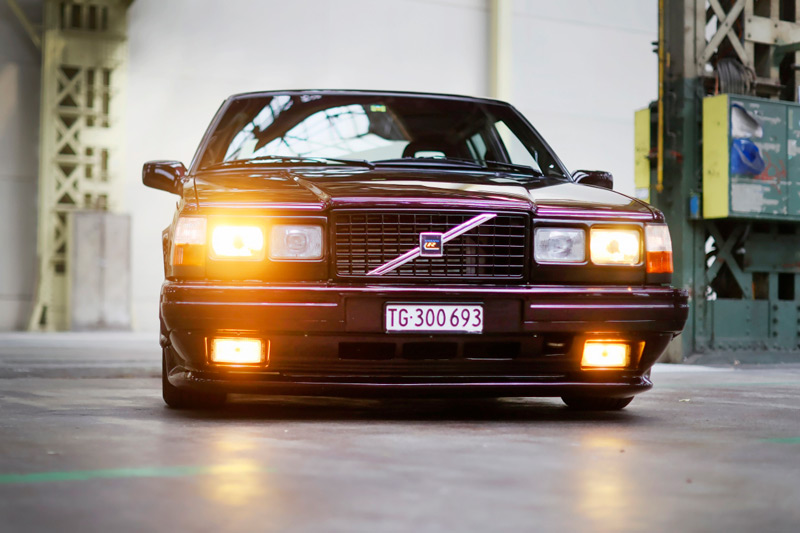
Once commodities, cars became classic cars and cultural assets. As a result, originality and condition became more important, while utility value declined. But not everyone wants an old car the way it was back then. Classic cars are also refined and "tuned". Whether wide wheels, Recaro seats, a sports steering wheel, spoiler kits or modernized stereo systems. Whatever appeals is done.
But do modernized classic cars contradict mobile cultural assets? Does the old car have to stop "living" when it reaches classic age? Are tuning measures that could have been chosen when the car was active okay, but interventions that only became possible later on taboo?
There are many views on this subject, but an important question is probably what condition a car is in at the time you decide to modify it without regard to originality. Modifications probably make more sense for a youngtimer that has been produced umpteen times and ridden down, if it at least saves the car, than for a super-maintained first-hand car whose seat covers still look like a new car.
As always, a sense of proportion is needed here too. But if young people enjoy a refined classic car, then this at least ensures new blood for the scene. And for a second life for the car.
In any case, you have to ask yourself what it will look like in 30 years' time. A Volvo 740 that was worked on and prepared for a second life in 2020 will already be over 60 years old and the tuning measures will also be over 30 years old. So they will have become part of the cultural heritage again, won't they?