Once upon a time ... the green wave

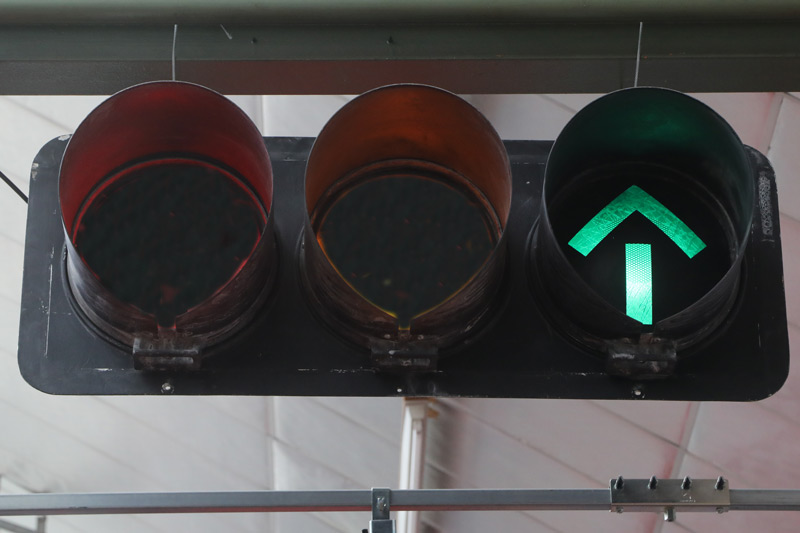
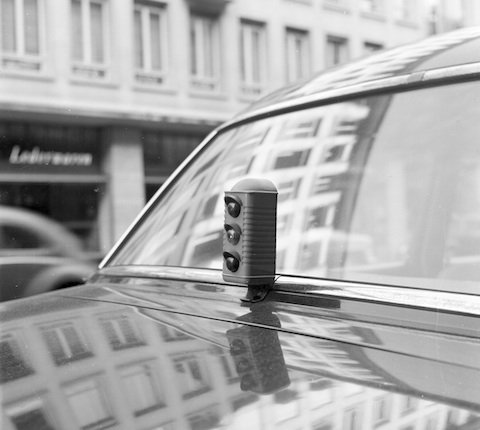
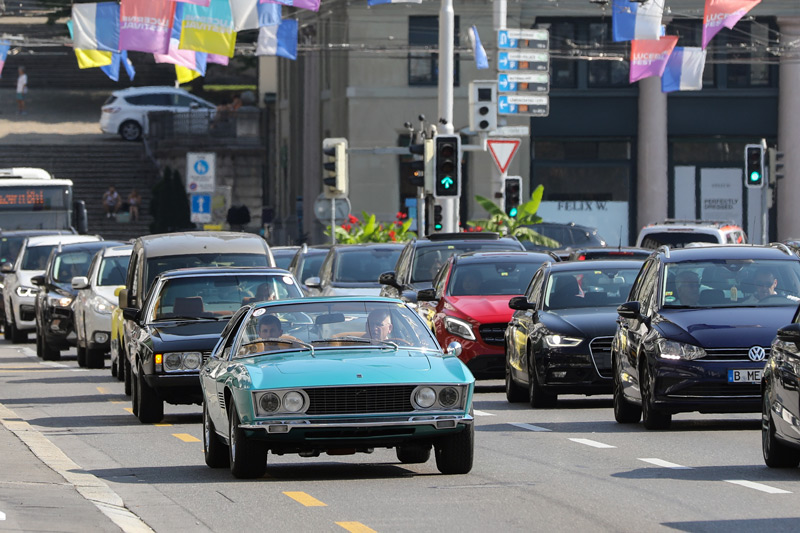
Green wave? No, it has nothing to do with political views and nothing to do with climate change and any countermeasures, at least not directly. The "green wave" was an issue that emerged back in the 1950s. It was understood to mean switching traffic lights at successive junctions in such a way that road users were able to drive through them smoothly, at as even a speed as possible and without time delays.
In 1973, the ADAC measured and calculated in the article "More environmental protection through better green waves" that 28% less carbon monoxide and 37% less hydrocarbons were emitted by cars with the green wave; CO2, which is more exciting from today's perspective, would probably have been reduced to a similar extent. A good thing, then, especially as the green wave also promised time savings and also reduced noise (according to the ADAC by 6 to 7 decibels, which is equivalent to halving the noise).
Nowadays, however, the most important thing for cities is no longer to speed up or liquefy traffic, but rather to reduce it and stop it at the city limits. Of course, a "green wave" no longer fits so well into the concept, especially as the existing green waves have largely been made impossible by constantly adjusting speeds (downwards), additional and often separately controlled traffic lights and preferential treatment of certain road users.