Old cars - really no manual needed?

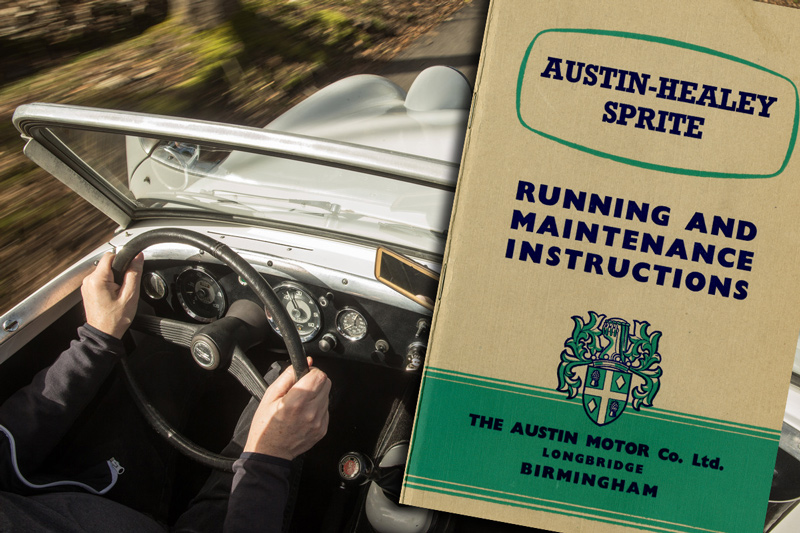
Cars from back then usually came with a fairly thin manual. They were available with 16 or even 40 pages and still described quite completely how to operate and even maintain the car. Nowadays, it is well known that a new car driver should read 300 or 500 pages of documentation to ensure that they really have their car fully under control. And indeed, some functions remain hidden if you don't rummage through the manual.
However, when we get into an old car, we assume that we know how to operate the few things there are without first studying the manual. Until we are surprised.
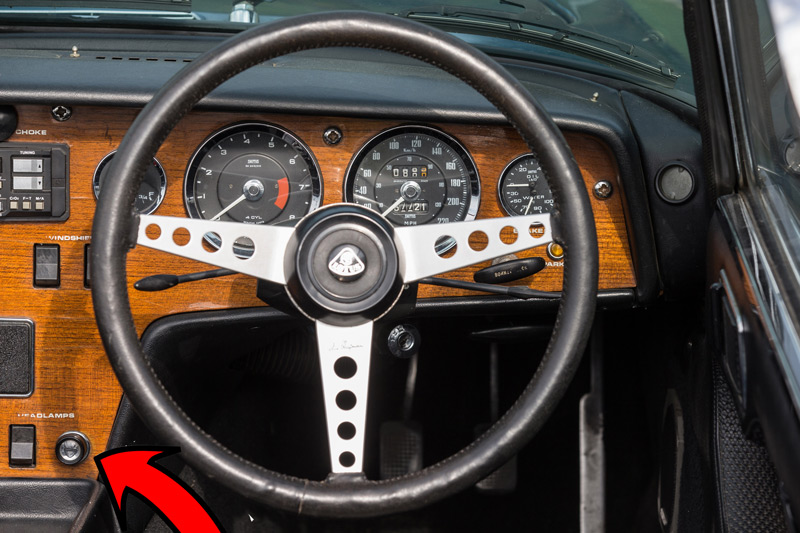
The picture shows the dashboard of a LotusElan Sprint. In contrast to earlier models, the buttons are even labeled. Nothing can really go wrong. Or so you would think. However, there are two buttons labeled "headlamps" (red arrow).
It quickly becomes clear that the right pull button is responsible for extending the pop-up headlights. But why does the switch on the left have three positions? As a driver, you don't think anything bad at first, until you are driving behind someone with the lights on. In the upper position, the headlights flash constantly, practically a continuous flasher. Unpleasant for the driver in front. Anyone who suspects an electrical fault is wrong. British deliveries of the Elan had this switch position and the flashing function built in. But you only find this out when you read the manual.
P.S. I am convinced that the Zwischengas readers have come across many other strange functions on their cars. Anyone who knows of particularly funny examples is invited to comment on this article.