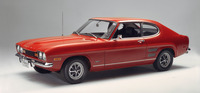
Turbo abuse


As is well known, the turbocharger was invented as early as 1905 by the Swiss Alfred Büchi, although Louis Renault was apparently also researching similar topics. The first applications were in diesel trucks in the 1930s, but the first mass-produced passenger car with a gasoline engine and turbocharger, the Chevrolet Corvair, was built in the 1960s in the United States. In Europe, BMW was considered a pioneer on the road with the 2002 Turbo, but that was back in the seventies.
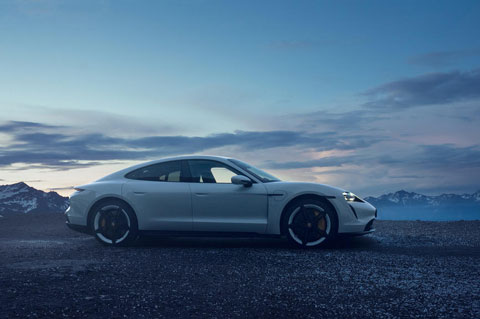
And now there is the Porsche Taycan, whose first model variants are called the Taycan Turbo S and Turbo. Wait a minute, the Taycan is an electric car, isn't it? Exactly. Which makes you wonder what the turbocharger is doing there. The term "turbo" only symbolizes high performance here.
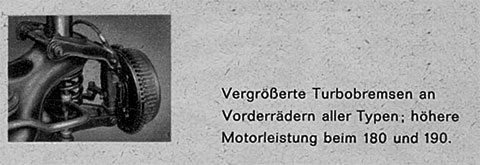
Even in the past, the term "turbo" was often used to set the car apart from the competition. Mercedes-Benz brakes in the 1950s, for example, had "turbo cooling", while the Chevrolet Corvette came with the 4.6 liter 223 HP Super Turbo Fire V8 engine in 1957. Of course, this had nothing to do with a turbocharger in either case.
And now, after all the turbo boom years, we are apparently back where the term, apart from engine technology, is supposed to stand for more power/performance. Brave new world!