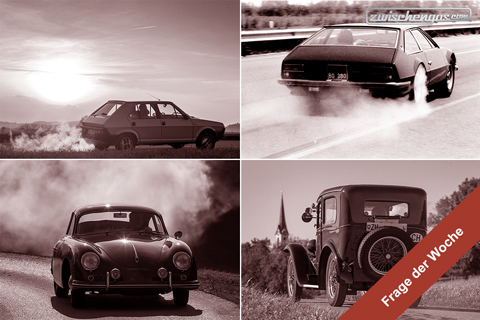
Classic cars and youngtimers have no CO2 problem, on the contrary ...


In addition to the "flight shame" discussed in many places, criticism of classic cars and youngtimers is repeatedly voiced, accusing old cars of lacking environmental friendliness. Of course, and we know this, the exhaust fumes from our beloved old cars are not the cleanest and it is precisely in this area that technology has made enormous progress in the last 50 years.
But when it comes to the climate enemy CO2, old cars actually have a much cleaner record than some new eco-mobiles.
Not only is the fuel consumption of old cars significantly lower today than back then, because people enjoy the journey more and drive more slowly and smoothly. Short trips are also avoided, as are frequent cold starts. Finally, the old car is expected to drive as little as possible in traffic jams and slow city traffic. These are all behaviors that reduce fuel consumption and even improve exhaust gas quality.
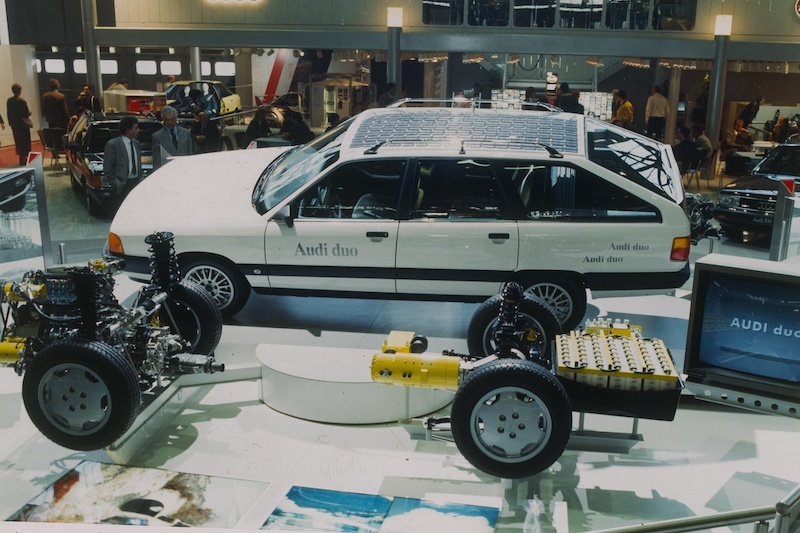
When CO2 production is calculated, the calculations are generally wrong, especially when it comes to the tax burden and registration regulations. Only the actual production in driving mode is taken into account, while the entire CO2 production required for the construction of the car, transportation logistics and disposal are ignored. A modern electric car like the Renault Zoe or the Tesla 3 may look good, but the reality is different. If the aforementioned CO2 emissions were to be calculated into, say, a five-year service life and "depreciated" over the kilometers, then the CO2 balance of all modern cars would probably be significantly worse than that of a carefully maintained classic or modern car, whose annual mileage is also significantly lower.
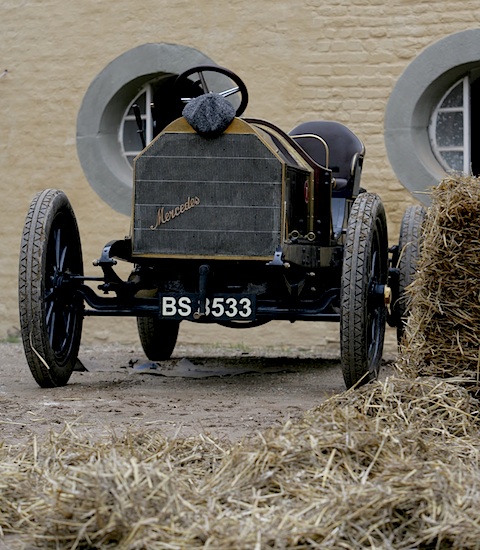
But even the CO2 emissions per kilometer of an old car would probably be seen in a much more favorable light than is possible with a new car, because the production of the car was much less energy-intensive back then due to its lower complexity and we classic car owners are ultimately happy to do without disposal, or rather, it is precisely this that we want to prevent with our passion. And if cleanly produced synthetic fuel becomes available one day, the bill for the old car will be even cheaper.
So anyone who drives a classic car in a species-appropriate manner doesn't need to have a guilty conscience, at least not a worse conscience than Tesla and Nissan Leaf drivers.
Or do you disagree?