When station wagons were still clear and flooded with light

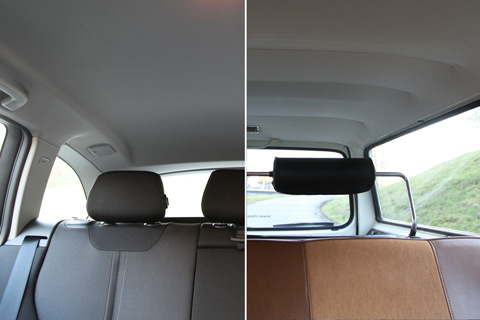
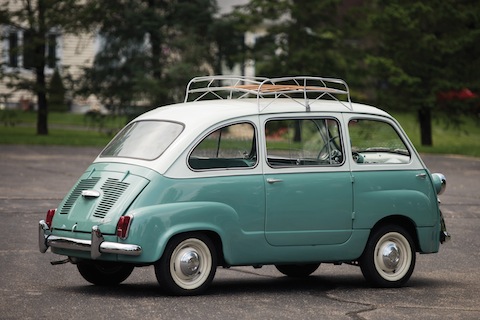
Anyone who bought an estate car in the late sixties or early seventies, or even in the eighties, usually got a practical, but above all fairly clearly laid out vehicle, as it was generously glazed right up to the rear corner.
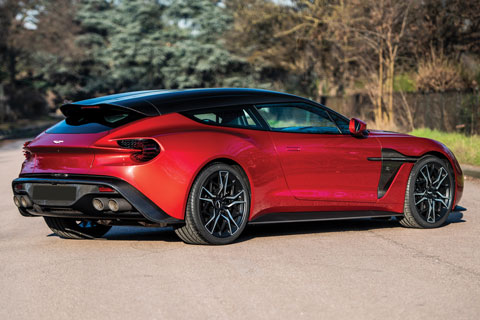
This has changed considerably in the last ten or twenty years. In particular, the pillars between the glass sections grew, while the glass surfaces sank due to the raised beltline. What only becomes apparent at second glance, however, is that not everything that is glass in a modern estate car is also suitable for seeing through. In fact, there are often other (safety or torsion-resistant) body struts hidden behind the glass panes, which are not immediately visible due to the darkening of the glass. As a result, some station wagons are quite confusing from the inside when you look to the rear.
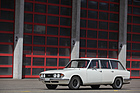
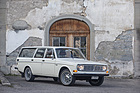
Our picture (above) compares the Volvo 145from 1972, which we portrayed this week, with a modern BMW 3-series estate from the F31 series. While parking in reverse with the Volvo does not pose any major problems, this exercise would be a much more complex task with the BMW if the parking beeper and reversing camera did not compensate for the lack of visibility. The observation of traffic behind also suffers in the modern car due to larger blind spots.
It goes without saying that the older estate car also looks much brighter inside. But back then, carmakers thought less about lifestyle and more about practicality, which is why they dispensed with sloping roof sections and coupé-like elegance.