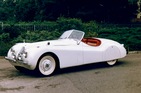
Engine technology was once art for the eyes and ears!

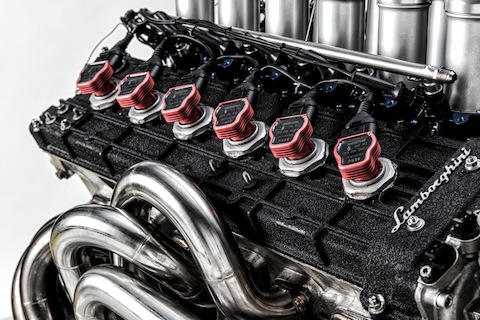
When engines were still powered by purely mechanical technology, they were always a feast for the eyes. A Bugatti engine was a beautiful work of art in itself, so great that you could easily imagine such an object, like a sculpture, in your own living room.
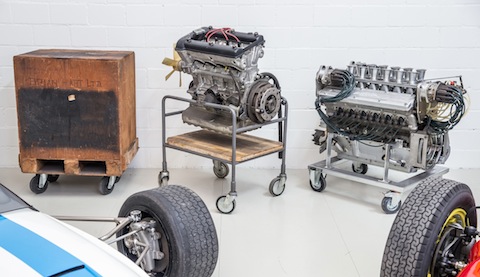
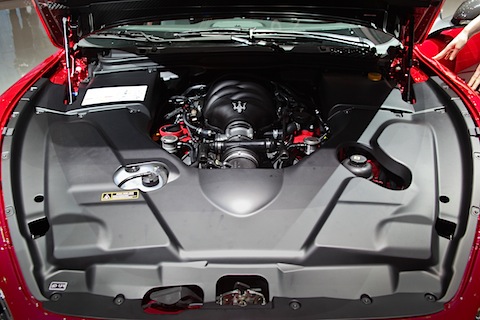
A V12 Maserati or Ferrari engine, cheekily illuminated, amazes onlookers. A Honda V10 engine in your own office, like the one Senna used to drive, or an air-cooled 12-cylinder boxer from the Porsche 917, like the one Siffert used to drive, would be more interesting than some sculptures of which you don't know exactly what they are supposed to represent.
This brings us to today's F1 turbo engines. You no longer really recognize what they are supposed to be, visually they look like a shredded pile of metal. You can't even tell straight away how many cylinders are doing their work.
Installed in the car, it is more reminiscent of an intensive care unit than engine construction. Only the name seems incredibly long and mysterious, at least for the Stuttgart-based company: Mercedes-Benz AMG V6 Turbo PU106B Hybrid!
This engine was and is extremely successful, having won everything there was to win over the past two years. Now a few pictures of what is probably the world's best-kept secret have finally emerged.
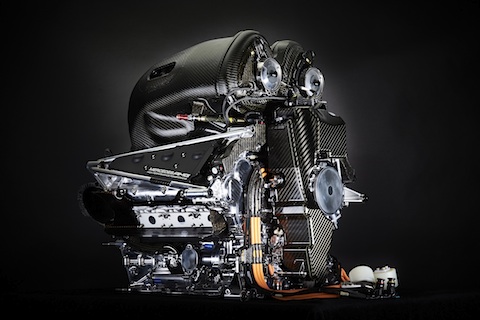
There are only a few poor pictures of the current Ferrari or Renault engine, caught from afar. Mercedes is now finally showing it in the form of edited studio shots, because the big secrets, if you can see anything at all from the outside, have of course been cleverly concealed.
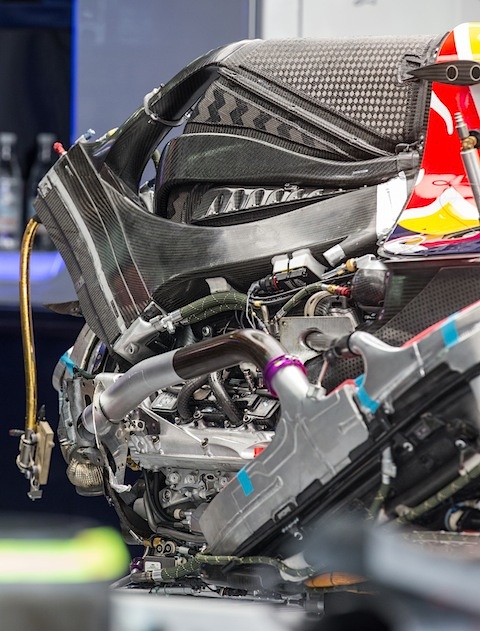
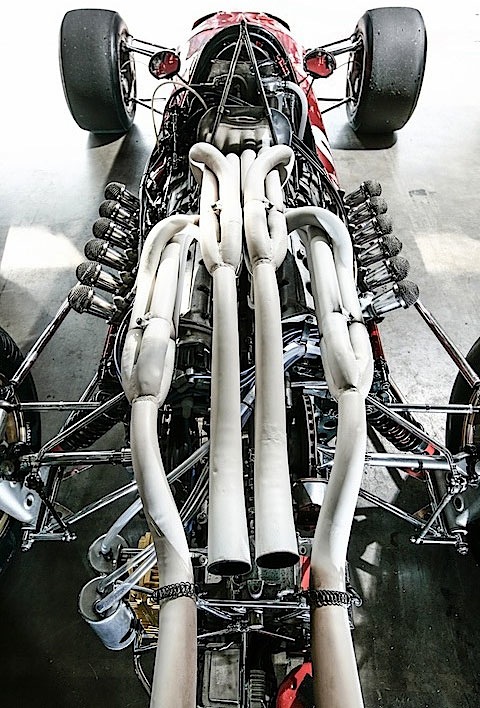
What a great time it was when there was so much on offer for technology freaks too. You could see how the high-tech engines of the time were changed, how gearboxes were re-tuned and generally how an open-top racing car was maintained.
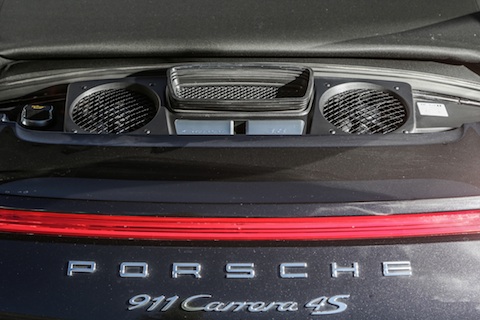
It wasn't just in sport that the visible engines disappeared; in series production, too, you don't see much of the actual heart apart from plastic covers. A lot has to be written on the shell so that you can still see what's underneath. In the current Porsche 911, you can't even see a single screw from the engine. You can't really tell much from the sound either. The F1 turbos sound like broken sewing machines, you can see the Audi diesel sports cars long before you hear anything from them and what you finally hear are mainly rolling noises. Even our production cars are no longer really recognizable by their engines.
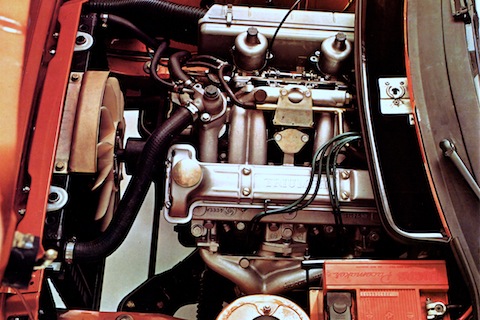
In contrast, you could clearly distinguish a twin-cam two-liter from Alfa Romeo from the V6 of the GTV6. An R4, a 2CV and a Beetle could be distinguished even by the hard of hearing.
But what can you ask of today's society, where it is already being debated whether church bells and cowbells should be banned? Perhaps waterfalls, birdsong or the sound of the sea will soon be considered a disturbance to the peace.
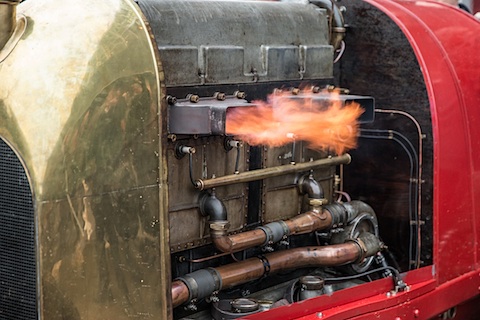
Even if today's engines are many times better than their historical predecessors, they have still lost a lot of their appeal. This is clearly demonstrated by all the crowds of people that repeatedly form around a 16-cylinder Auto-Union or a fire-breathing Fiat.