How progress in modern cars is making classic car driving more difficult

The automobile has made enormous progress over the last ten years. The carmakers of the fifties and sixties could hardly have imagined what is now possible in terms of economy and safety.
For classic car drivers, however, these innovations pose a considerable challenge if they want to keep up with the traffic in their aged classics.
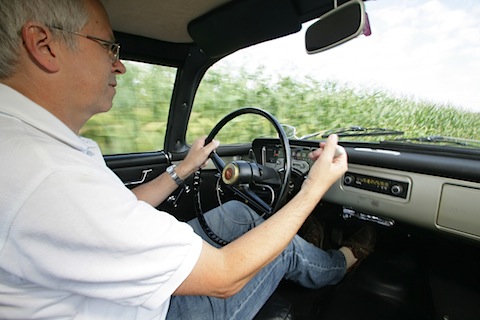
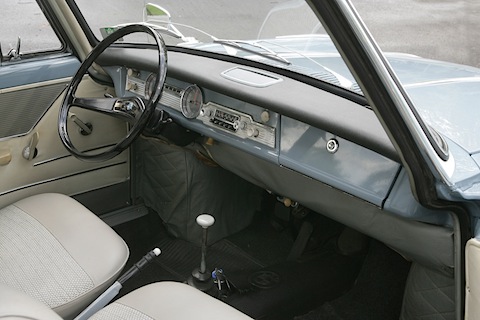
Drivers of today's cars are equipped with digital speedometers and cruise control and can maintain the permitted speed almost to the kilometer, regardless of whether they are going up or down a hill. As the driver of a fifty-year-old or older classic car, however, you are looking at a speedometer that easily fluctuates between two 10-kilometre markers and if you are going uphill, the car quickly runs out of breath and you have to shift down sensitively, and no automated dual-clutch gearbox can help. The modern drivers behind the wheel quickly become impatient.
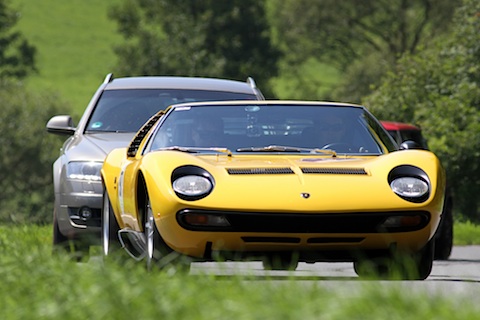
If you drive into the city, you encounter more and more passers-by who have already become accustomed to the automatic start/stop systems of today's cars and expect an engine to be silent in front of a pedestrian crossing. As the driver of an old car, however, you may be struggling with vapor lock and poor starting behavior when the engine is hot and don't want to stop the engine to maintain the cooling water circuit. This can result in nasty looks.
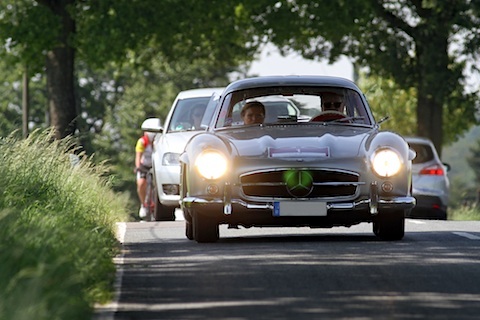
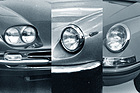
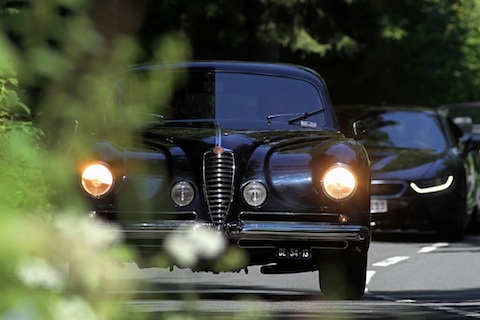
And at night? You can hardly see the old car next to the xenon or LED-lit cars of modern times with their alternator-fired headlights, which almost seem to lose their luminosity at low revs. And so the old car, which also has to contend with excessive braking distances, is recognized far too late or even overlooked.
Yes, in modern traffic, especially when it is crowded and hectic, which is unfortunately increasingly the case, driving a classic car is not easy at all ...