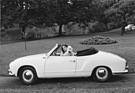
Maybe "restomods" are a good thing after all?

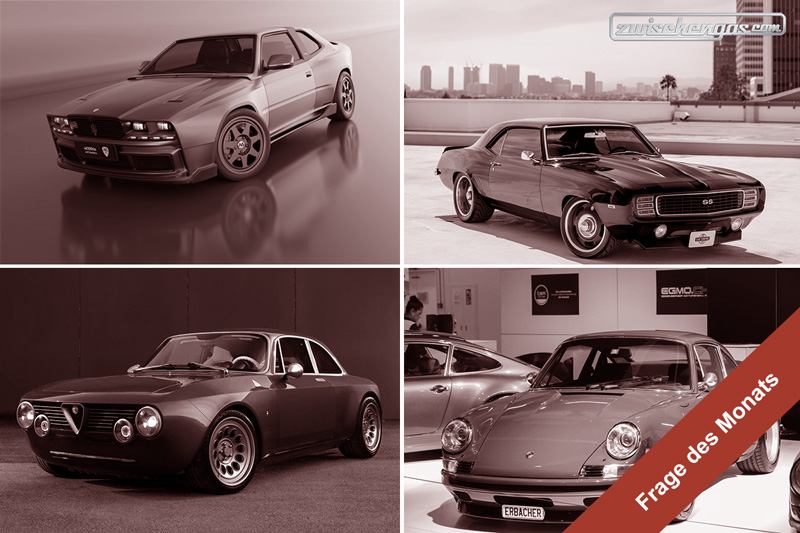
As a classic enthusiast and fan of cultivated originality, you're not really open to so-called "restomods". These are usually comprehensively improved classics that often take on the shape of their predecessors. The best-known examples are the Porsche 911 variants from Singer or the improved Alfas from Alfaholics.
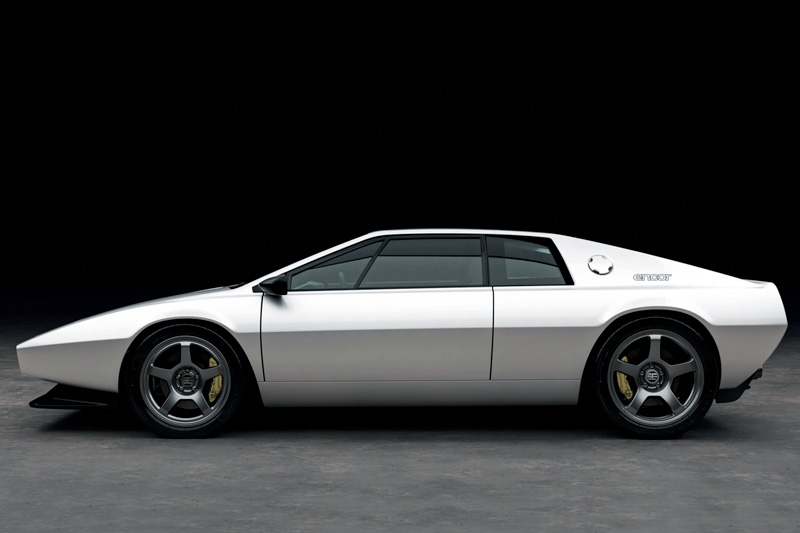
I recently stumbled across the "Lotus Esprit S1" from Encor. The car really does look almost completely like an S1 from the outside, but is based on a much later eight-cylinder Esprit (1996-2004). The Encor company employs former (or current?) Lotus engineers who simply prefer to revive the classic Lotus Esprit rather than deal with the brand's current three-ton electric SUVs.
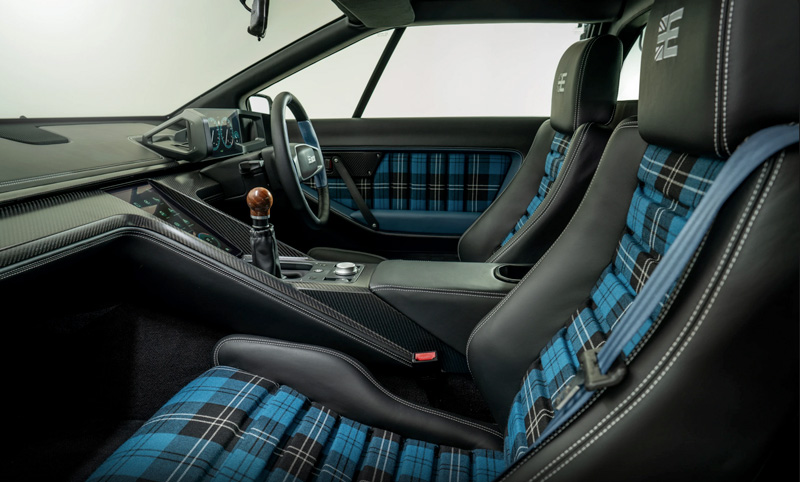
You can tell that the Encor people are enthusiasts by the way they use modern means to revive the atmosphere of the old Esprit.
However, the pleasure is not cheap; you should have half a million in your account if you want to buy a modernized Esprit S1. And a "donor car" must also be supplied at the same time.
This brings us to the crux of the matter. If a Porsche 964 or a Lotus Esprit V8 has to give up its life for a Singer-Porsche or an Encor-Lotus, original substance is destroyed. However, these cars in particular are often not economically viable to restore, only to be sold again later as a (restored) Porsche 964 or Lotus Esprit V8. Perhaps these cars, which are needed not least because of their chassis number, would otherwise be disposed of. But this way they are saved, at least in part. And they provide pure driving pleasure for sports car enthusiasts who can afford them. And perhaps make them appreciate and collect original sports cars from past decades? If so, this restomod would have done some good.
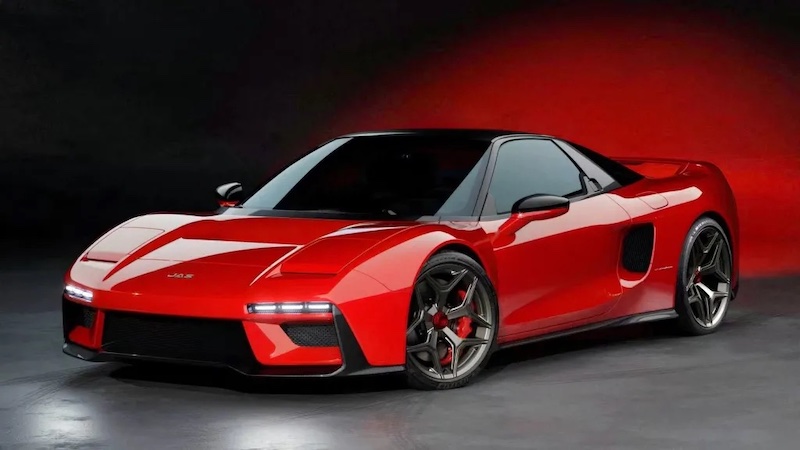
Of course, the same applies to the NSX restomod from Tensei that has just recently appeared, albeit in a slightly different way.
Restomods are definitely in vogue and they probably also provide many small enthusiast companies with customers and sales. And of course it would be impossible for these companies to homologate completely new, homologation-capable sports cars, although they would certainly be able to build them. A pity, really. Things were very different in the sixties.