A star that bears no name


The question of the most famous trademark of a car manufacturer is quickly answered for many: the Mercedes star. And how many points does it have? That's right: four. Or rather: four. Because in addition to the "three-pointed plastic star" still used today, the Daimler-Motorengesellschaft also had a four-pointed star protected as a trademark in 1909 - although it has never been used.

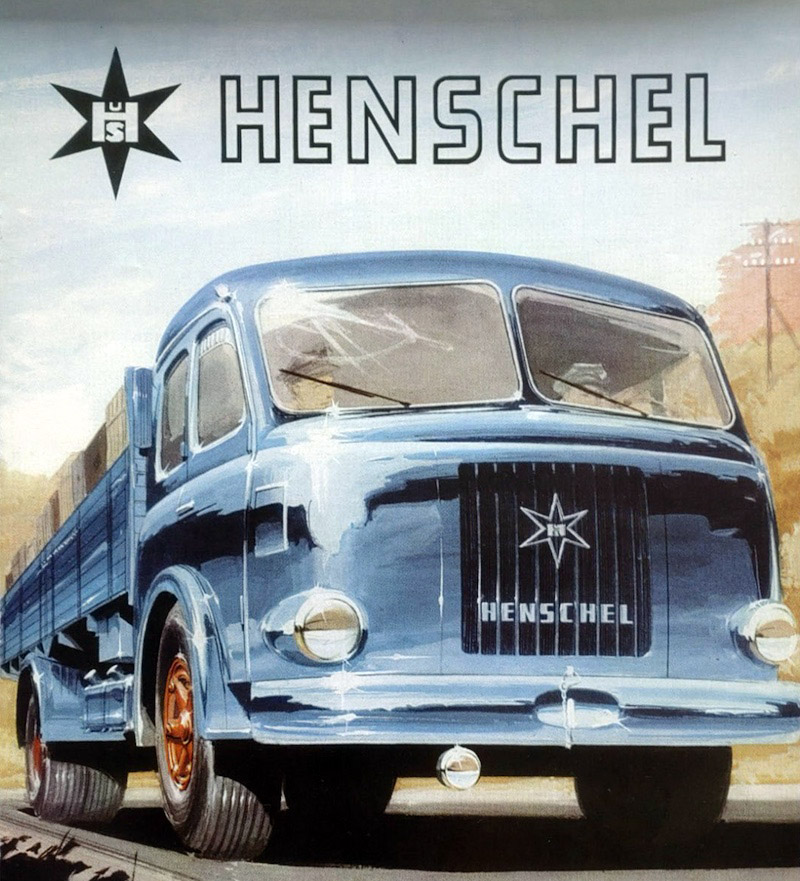
In the Federal Republic of Germany, however, it had to be used after 25 years at the latest so that the design protection did not expire. So it was a good thing that Daimler-Benz had taken over the commercial vehicle manufacturer Hanomag-Henschel at the end of 1970, whose products all bore only a lettering, but no trademark. The six-pointed Henschel star had been abandoned after the merger with Hanomag in April 1969.
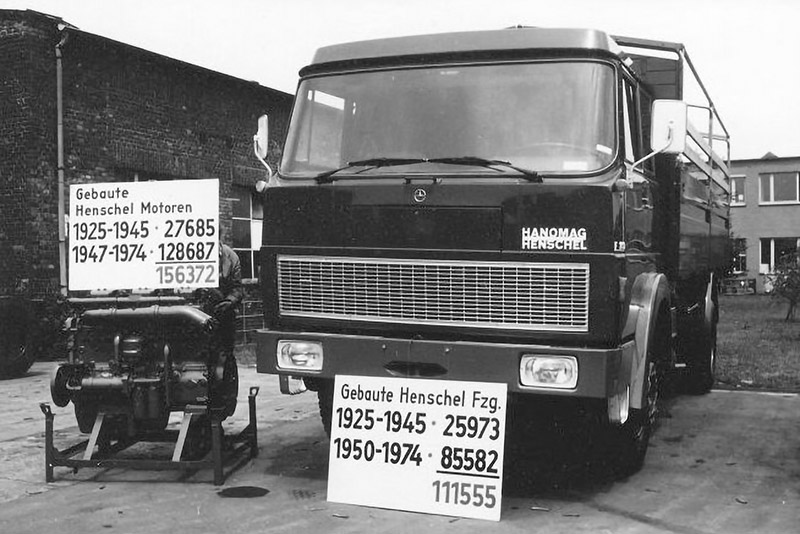
At the IAA 1973, the models for 1974 were presented, which were practically indistinguishable from those of the previous year - with one exception: where the enameled badge with three-pointed star and laurel wreath had been on the identical Mercedes-Benz siblings, a four-pointed star in a circle was now emblazoned on the 504 model series. Barely a year later, the brand was history, which is why many now call it the "gravedigger's symbol".
Unimpressed by trademark law in the old world, Ford had already placed a similar symbol (albeit in a square upright frame) on the hood of the Continental Mark II in 1955. In contrast to Studebaker, Daimler-Benz really did threaten legal action in this case - and received the reply from Dearborn that they wouldn't give a damn.
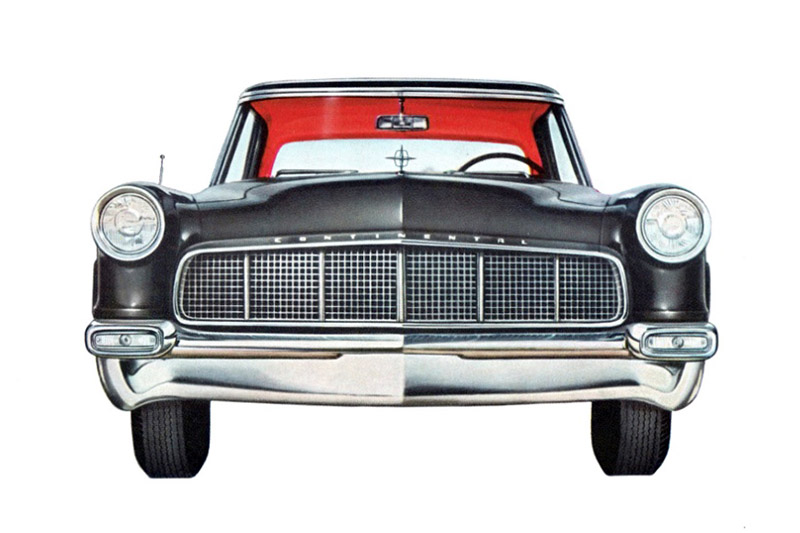
After the merger with the Continental Division, Lincoln adopted the stylized celestial body with four rays for the 1960 model year - and still uses it today. However, confusion with Volvo's electric brand Polestar is impossible. Their emblem dispenses with the frame - and thus looks more like the missing link between the Lincoln star and the Citroën double angle.