A question of driving behavior or style - or both

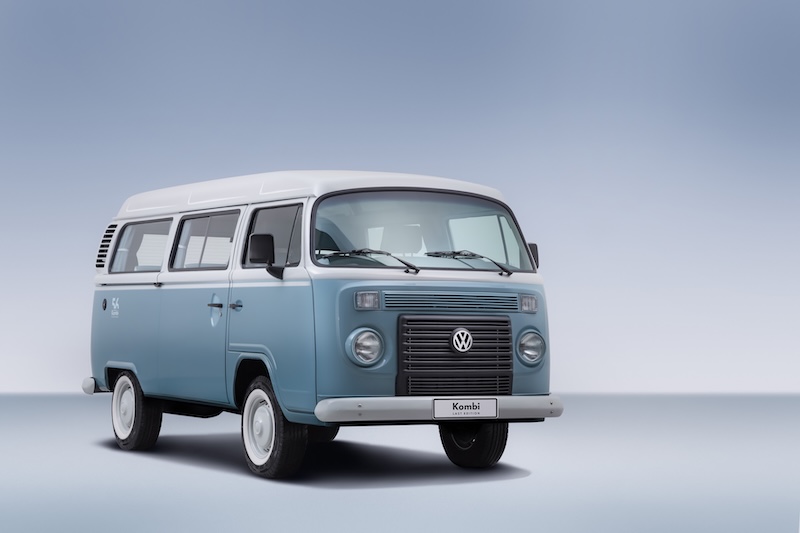
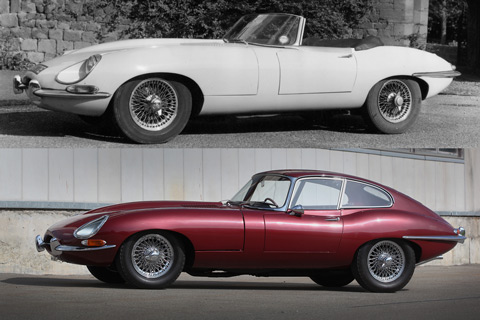
Admittedly, I'm a bit tricky sometimes: Modern tires on a classic car are usually anathema to me. In particular, incorrect tire formats with lower cross-sections and rims with more offsets and the like rarely stand a chance with me. The same applies to whitewall tires on cars from a time when even the last remaining representatives of the 1950s and 1960s were hardly to be found with them - the 70s or even 80s. I also have a particular allergy to commercial vehicles with whitewall tires - like the VW Transporter with those white spats over its "feet". They take the dignity out of the cars. I also often find these "tires" out of place on sports cars. However, "whitewalls" were still standard equipment on cars for the US market at the beginning of the 1960s, such as the Jaguar E-Type - sorry - the XKE as it was called over there. And yes, spoked rims on cars that never had them ex works belong in the same category.
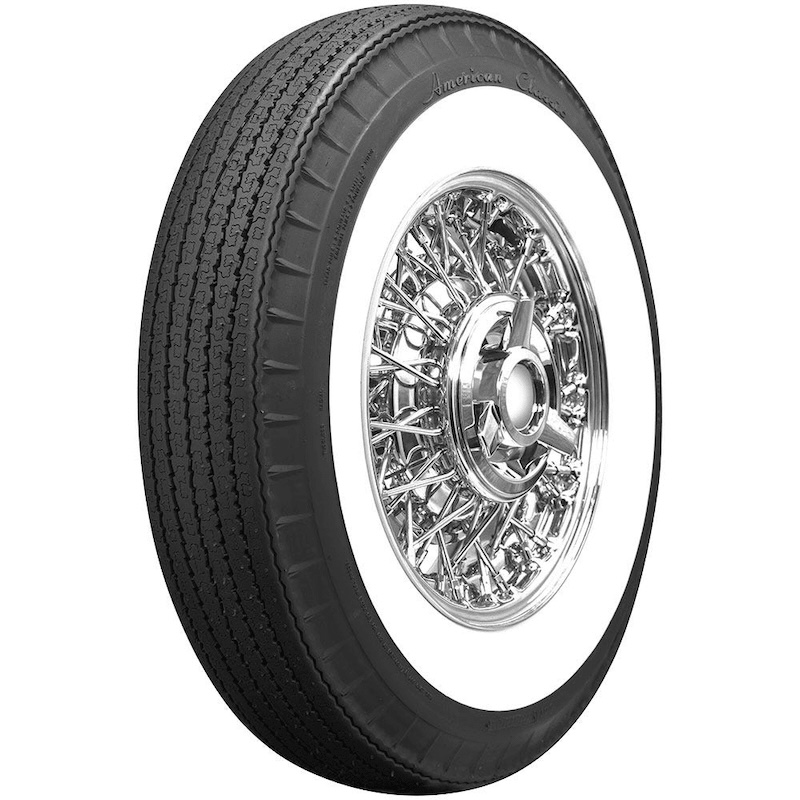
A good compromise: American Classic whitewall radial tires with a diagonal look
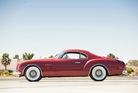
However, as is so often the case, there are exceptions. Because one thing is certain: modern tires are better in every single discipline than representatives of older models, even if the historic tire is brand new. This becomes particularly clear when comparing cross-ply tires with radial tires. The latter have a lower rolling resistance, brake much better, corner better and are more durable, as they heat up less and the tread rolls better on the road. But most radial tires also look like radial tires. There are only a few exceptions from the USA, where "bias-look" radials are available - at a corresponding price. Their advantage is the authentic look - just like a bias-ply tire - with the characteristics of a belted tire. On my DeSoto, there was a world of difference between the old BF Goodrich 7.60 / 15 format tires and their replacement from American Classics in the same format. This starts with the rolling noise and ends with the reduced fuel consumption. It would be desirable if there were more classic tire and tread designs with a modern base on the market.
D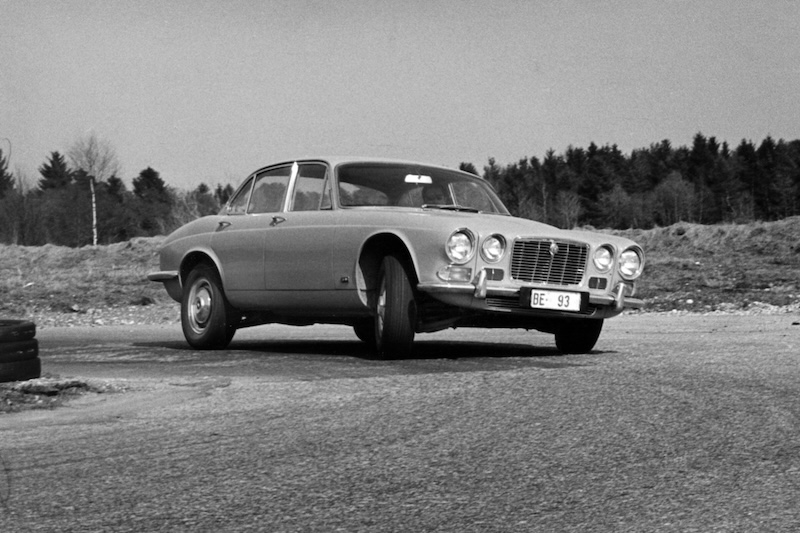
Jaguar XJ in the 1969 Automobil Revue test: original but new radial tires show certain weaknesses compared to a modern tire design. The comparison would be interesting if a modern equivalent were available.
"No problem, there are also cars on which radial tires were standard from the start", that's true, but in some cases this also seems to me to be a bit of a compromise. This applies, for example, to the Michelin XWX in the 215/70 R15 format that was standard on the Jaguar XJ and XJ-S. It is nice that these are still offered by Michelin - presumably manufactured in Serbia with the old molds. And anyone who values the absolutely authentic look would do well to get one of these. However, the tire is relatively loud in terms of rolling noise and not particularly durable if you drive your car regularly or even want to take it on longer trips. Unfortunately, apart from the Pirelli in the same format, the Michelin is the only "Pnö" tire that is both contemporary correct and technically sensible for the car. There are alternatives such as the Vredestein Sprint Classic, available in many different formats, but I haven't yet been able to warm to them. But who knows?
Yes, tires are worth giving some thought to. A few years ago, I met a participant in a Concours d'Elegance who proudly claimed that his small-series Italian coupé based on the Fiat 600 was still wearing the tires as they were when it premiered in Geneva back in 1959...