Practical electric car already 50 years ago

Electric cars were already being considered half a century ago. In fact, the electric motor with battery seemed to be the only sensible alternative to the petrol engine at the time, while the steam engine, gas turbine and Strling engine were considered to have no chance.
Accordingly, research cars were repeatedly developed to support the "electric car with battery" approach. However, the most common battery variant at the time was the lead-acid battery, which was heavy and stored relatively little energy.
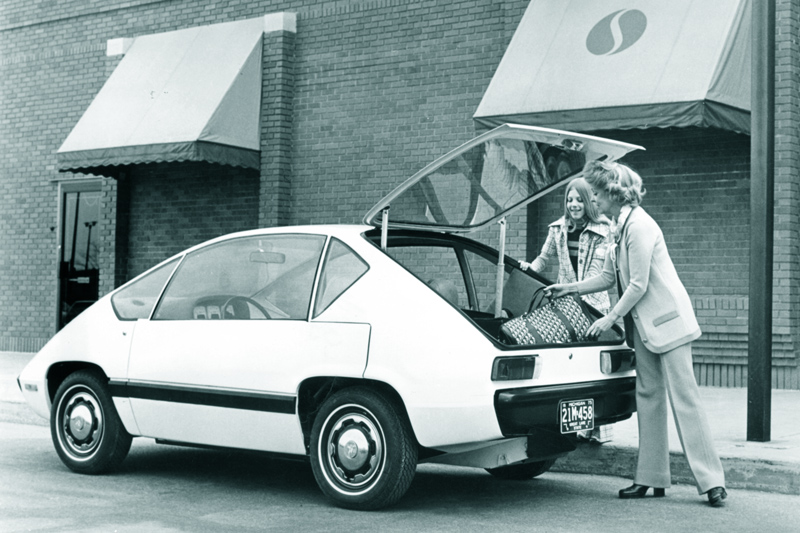
This was also the case with the Cooper Electric city car, which had been developed in the USA. 18 lead batteries, each with a voltage of six volts, weighed a total of 550 kg. Thanks to the streamlined shape, small cross-sectional area and optimized weight, this was enough for a top speed of 88 km/h and a range of 220 km in the optimum case (at 65 km/h). Frequent start/stop maneuvers limited the range considerably. 41 hp was sufficient engine power, and a full recharge took around eight hours. At least that's what Automobil Revue reported at the time .
The Cooper Development Association was never able to build the electric car in series production, as it was a research vehicle. But with its tailgate and city-capable performance and range, the car was not so far removed from practicality ...