Once upon a time ... the vacuum windshield wiper

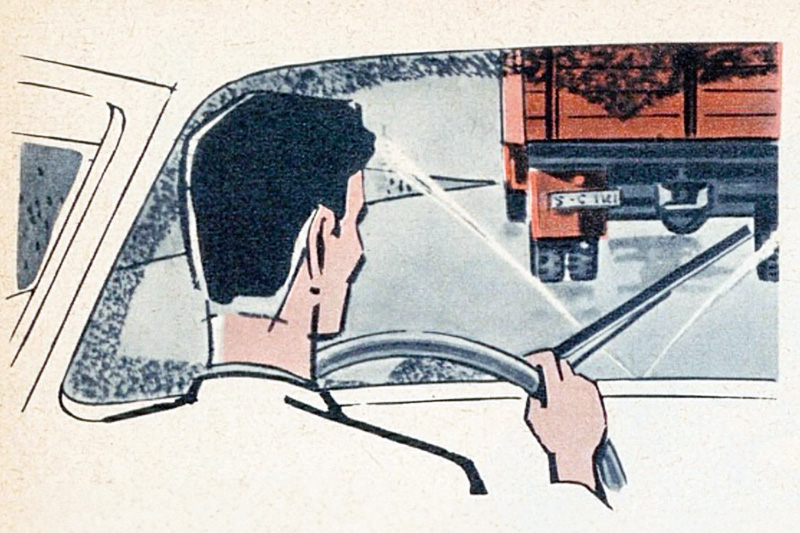
Imagine if the thermostat were to close further and further as the water temperature increases, or if the distributor were to switch more and more to late ignition as the engine speed rises. Counterproductive? Nevertheless, a design that functioned according to precisely this principle persisted in automotive engineering until the 1960s: the windshield wiper driven by the vacuum in the intake tract.
This can be explained as follows: When idling or at low throttle, the engine sucks more air out of the manifold than can flow in through the throttle valve, which drives the wiper to peak performance even with only slightly increased humidity. The further the gate to the carburetor opens, the smaller the pressure difference becomes - until it is almost completely equalized at full throttle. The result: the wiper stops.
In principle, the idea of driving slower the worse visibility becomes is correct. However, anyone pulling a heavy trailer up a steep hill in the drizzle is also looking through an unwiped windshield into the gloom. And as soon as the engine brake is applied in second gear after the summit, the wildly speeding wiper blades melt the windshield.
In the pioneering days of the automobile, this annoyance was accepted as a matter of necessity. If some alternators were already overtaxed by a long night drive in the dry, the combined continuous operation of headlights and electric windshield wipers would drain the battery in no time. And driving in poor visibility is still better than standing at the side of the road in the rain.
The vacuum-operated brake booster lasted much longer. Logical: you rarely stand on the accelerator pedal when braking.