Once upon a time ... the emergency wheel

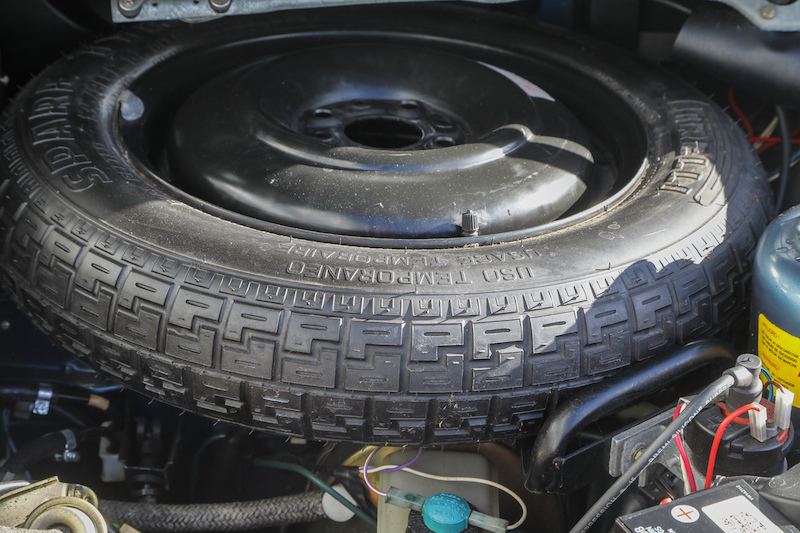
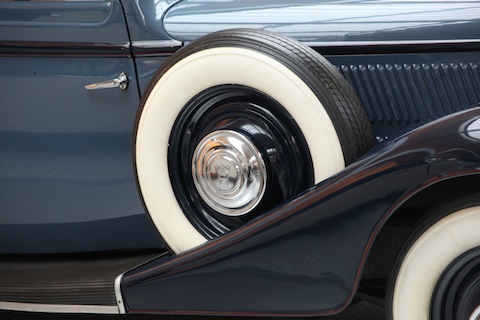
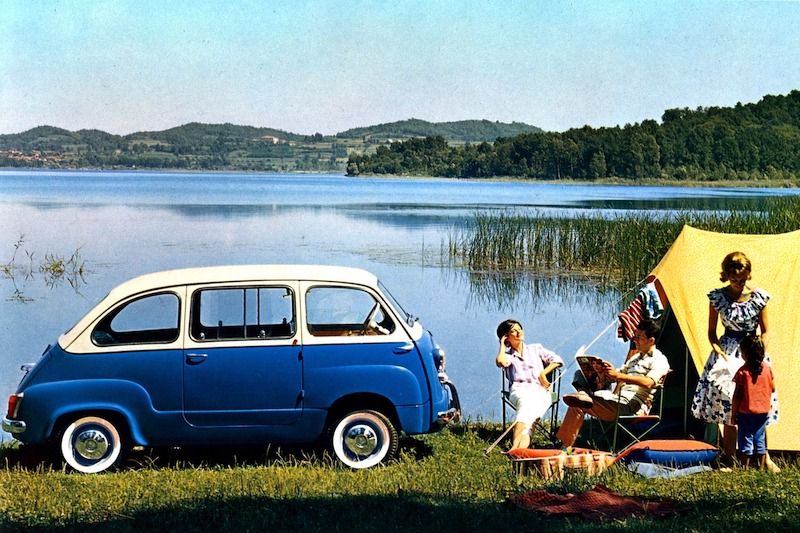
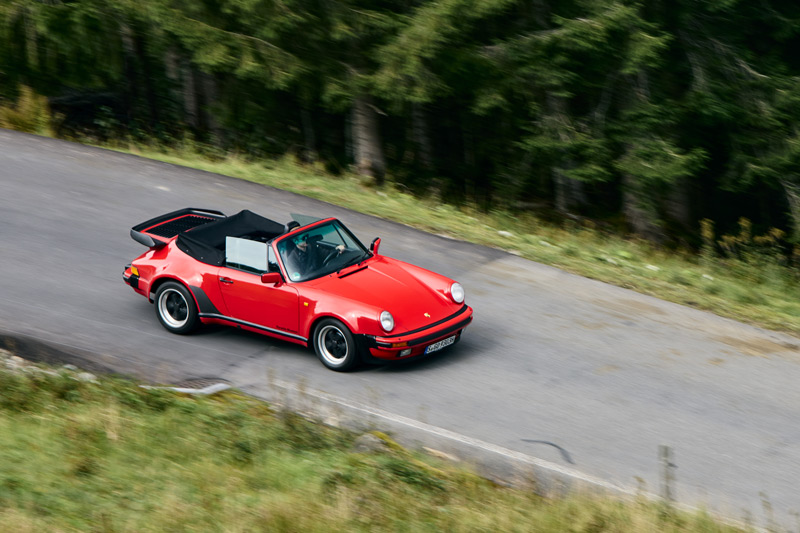
A full-size spare wheel, which corresponded to those mounted on the two axles, was almost the norm until the 1980s. But as early as the seventies, car manufacturers began to provide cars with narrower emergency wheels ("space savers") instead of the large and heavy spare wheel. The advantages were clear: the smaller wheel was lighter and took up less space in the luggage or engine compartment. In addition, the likelihood of a puncture had steadily decreased over the decades, which is why many spare wheels remained in place unused for years anyway.
Of course, the spare wheels also had disadvantages if they had to be used. The tires were usually narrower and offered less traction, they braked worse and on some cars the electronic assistants did not work correctly. Nor did they improve the car's appearance, on the contrary. In addition, the maximum speed was usually limited and there were often problems when the larger normal wheel had to fit into the full trunk instead of the emergency wheel and there was no more room. Because the emergency wheels were cheaper to produce, they nevertheless became popular (with the manufacturers). The first Seat Ibiza also had an emergency wheel, which was stored in the engine compartment (and can be seen in the photo above).
Today, however, hardly any cars are equipped with emergency wheels any more; instead of them came small compressors in combination with a liquid to seal holes in the tire. This may work for minor tire damage, but in more serious cases, the only thing that helps is a call to ADAC, TCS and the like, or the car manufacturer's breakdown service.
In the past, the "normal" spare wheel was not only used for emergencies, but also as a fully-fledged utility wheel. This saved one rim and meant that four summer and four winter wheels were sufficient. One of the unused wheels then took on the role of the spare wheel. But yes, that was a long time ago ...