Once upon a time ... the indicator switch

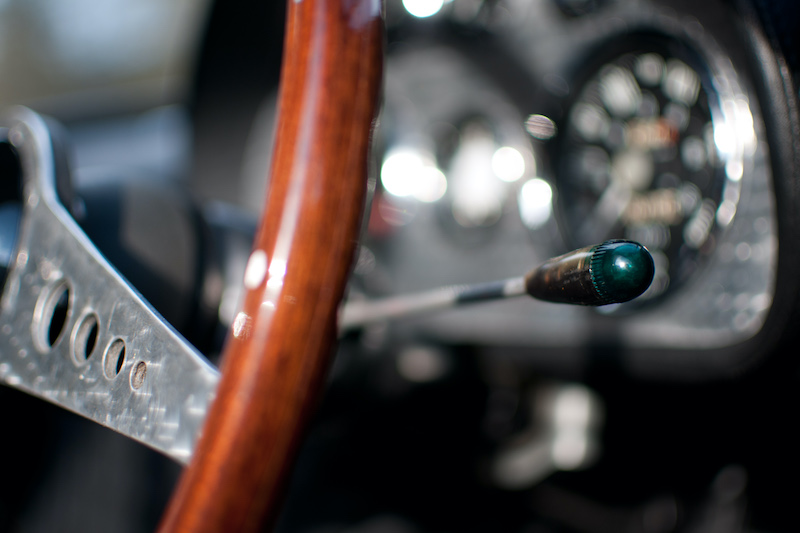
Of course, one could now complain again about the frequency with which drivers of premium German company cars indicate the direction of travel. But for once, that's not the point here. Although - maybe it is. Because today the blinker is actually much easier to find in its standardized position to the left of the steering column and therefore theoretically easier to operate than it was 60 years ago. Back then, every car manufacturer still had their own ideas.
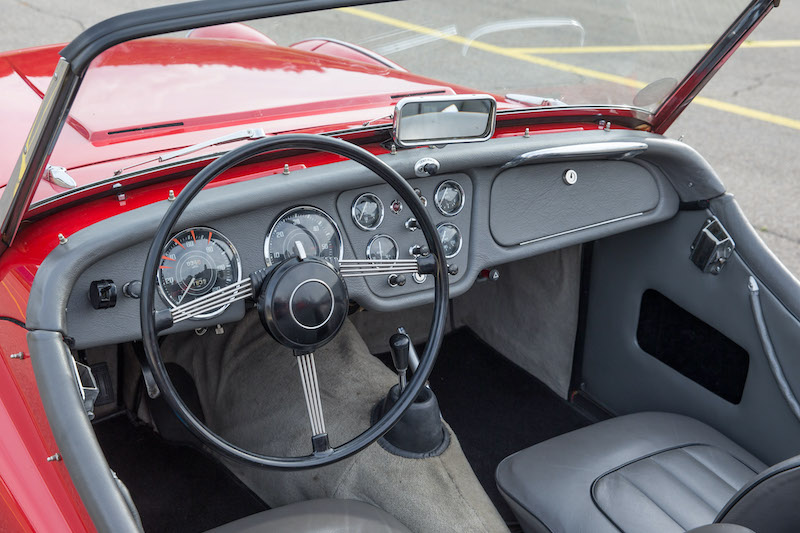
On the Triumph TR3 and Austin-Healey 100, for example, a small spike grew out of the steering wheel hub to the north, which was pushed either to the left or right to signal the direction. Also in the steering wheel, but much more elegantly, Mercedes-Benz hid the blinker controls until the mid-fifties. Here, the chrome-plated horn ring was given this second task by turning it to the left or right, which is why the Stuttgart-based company consistently referred to it as the multifunctional "signal ring".

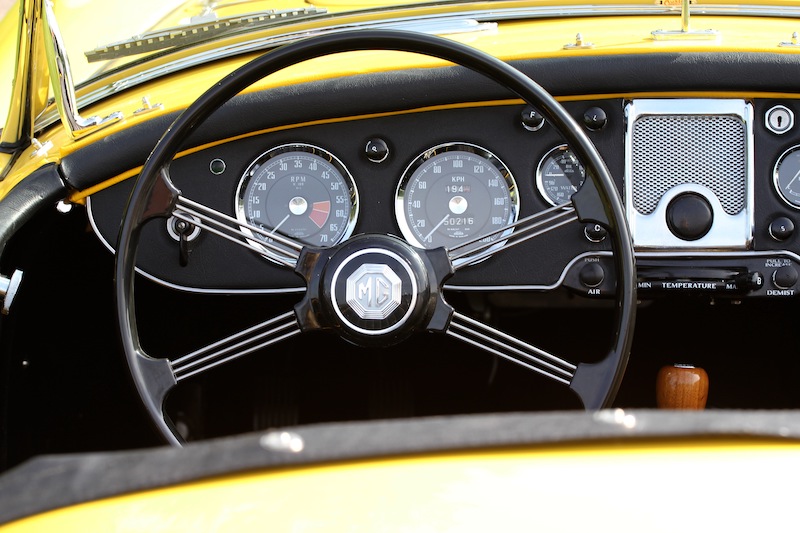
In other English roadsters such as the MGA and Morgan Plus 4, the hand had to be removed from the steering wheel to signal. Here, however, it was not directed inwards but outwards because a knob on the dashboard had to be turned in the direction of the turn. The French, on the other hand, activated the direction indicator early on via a lever on the steering column, although there was not yet a consensus on which side to use. While Citroën had a heart for left-handed drivers right from the start, Renault and Peugeot models initially used right-hand indicators.
In the course of the sixties, the still common variant with the toggle switch, which grows out of the left-hand side of the steering column and is often incorrectly referred to today as the "steering column lever", slowly became established. In right-hand drive vehicles, it sits in a correspondingly mirrored position to the right of the steering wheel. No rule without exception: even in mainland Europe, if a car is only offered with right-hand drive, the left hand is still used to indicate. Presumably so that European customers do not have to get used to it completely.
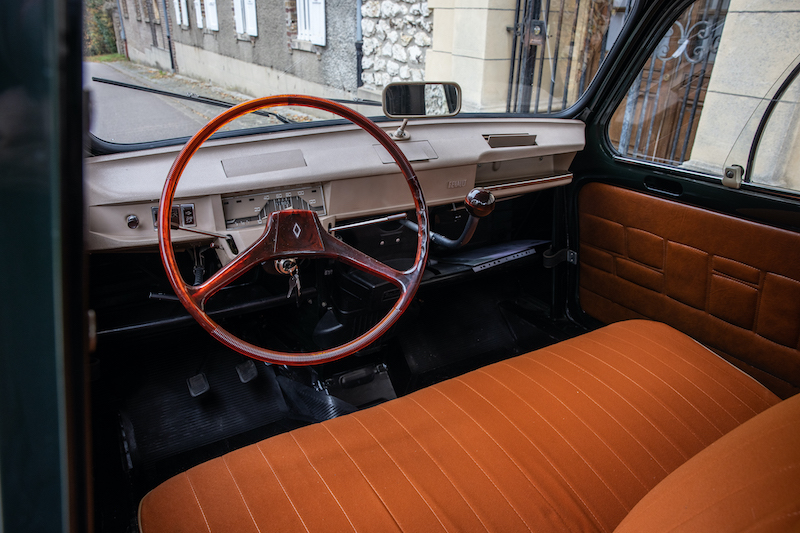
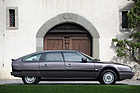
In keeping with its reputation, Citroën stuck to its different approach for the longest time. In the CX, the intention to turn was indicated by a rocker switch on the "control satellite" until the end, which is why Citroën indicators did not consistently reset themselves until the early 1990s. In the Opel Rekord, the lever automatically snapped back into its original position as early as 1958 - at a time when the most popular car in Germany was still waving rather than flashing.




_RM.jpg)