Turbo term confusion


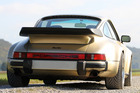
The turbocharger is known to have been invented by the Swiss Alfred Büchi in 1905. The first production car with a gasoline engine and turbocharger appeared in the early 1960s in the United States. With the BMW 2002 turbo and the Porsche 911 Turbo (930), the turbocharger also arrived in Europe in series production vehicles, having previously been used in racing (e.g. Porsche 917/30) or by tuners (e.g. May Turbo). In the 1980s, the turbocharger became widespread in automotive engineering and enjoyed a second heyday in the new millennium.
However, the term "turbo" was and is used much more broadly than just for the turbocharger and has almost become a synonym for many things that have to go faster or can be accelerated. Porsche now also calls the fastest electric Taycan variants turbo, which of course has nothing to do with an exhaust gas turbocharger, as there are no exhaust gases that could be fed through a turbine. We have written about this before.
But politicians and the media also like to borrow the performance-enhancing word "turbo". This was the case in the past and continues to this day, and especially in the age of Corona, the word is often used again, e.g. vaccine turbo or opening turbo. Even in the old press aunt NZZ. This has just as little to do with a turbine as the "Euro-Turbo". But neither did "turbo brakes", which were often advertised as such in the 1950s.