Windbag - BMW 2002 with turbocharger in (historical) test


You have only
1 out of 21
images seen in high resolution



Summary
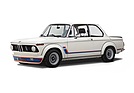
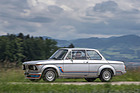
In 1974, car tester Jürgen Rapp was anything but enthusiastic about the then new BMW 2002 with turbocharger. He even went so far as to reject the turbocharger concept itself. As we know, the turbo nevertheless proved its worth in the years that followed, so it is all the more exciting to read in the test from back then how the early turbos felt.
This article contains the following chapters
- Only for American road cruisers
- Computer-controlled
- Simply sad
- Happy to drink
- Technical data
- Measurements
Estimated reading time: 14min
Preview (beginning of the article)
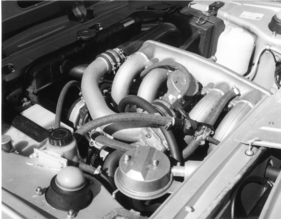
In principle, there are three ways to give your car extra power: conventional tuning, whereby the existing engine is boosted by tricks such as boring, increasing the compression ratio and other refinements; then the simple method of transplanting a larger and more powerful engine of a more powerful type into a small car; finally, the way of supercharging a conventional engine. BMW took the latter route and was the first German car manufacturer after the war to supply cars with supercharged engines. The principle of engine turbocharging, whereby the gas throughput of the unit is increased, has long been known and is basically very logical. In contrast to the naturally aspirated engine, which has to laboriously suck in the air it needs, the supercharger design literally forces the air into the combustion chambers. This can be done either by a compressor, which requires energy from the engine for its compression work, or by an exhaust gas turbocharger, which takes the necessary drive energy from the generally useless exhaust gases.
Continue reading this article for free?
Images of this article