How people imagined the future of cars 40 years ago

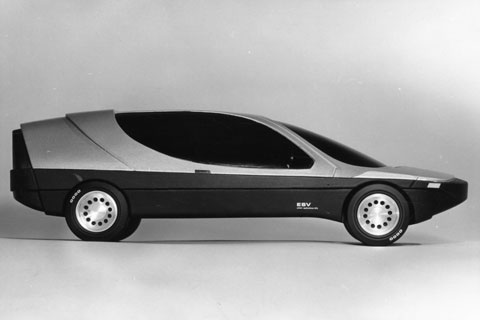
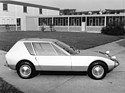
The Hungarian inventor and designer Tamás Zalezsák was not looking for a design prize when he designed his car in 1975; he was hoping for more safety from the development. Unlike vehicles that only dissipate energy in the crumple zones in the event of an accident, Zalezsák designed the chassis in such a way that it consisted of closed components that were held together by resilient connecting elements. Elastic intermediate layers were provided between the passenger cell and the deformation elements arranged around it.
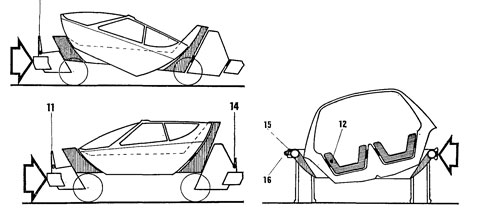
In the event of an accident, the passenger cabin could therefore deflect upwards and even in the event of a side impact, the cabin was displaced independently of the chassis, thereby absorbing energy.
This design was known as the "Z-shape", as reported in Automobil Revue in 1975. However, not much more was heard about it after that ...