The everyday classic


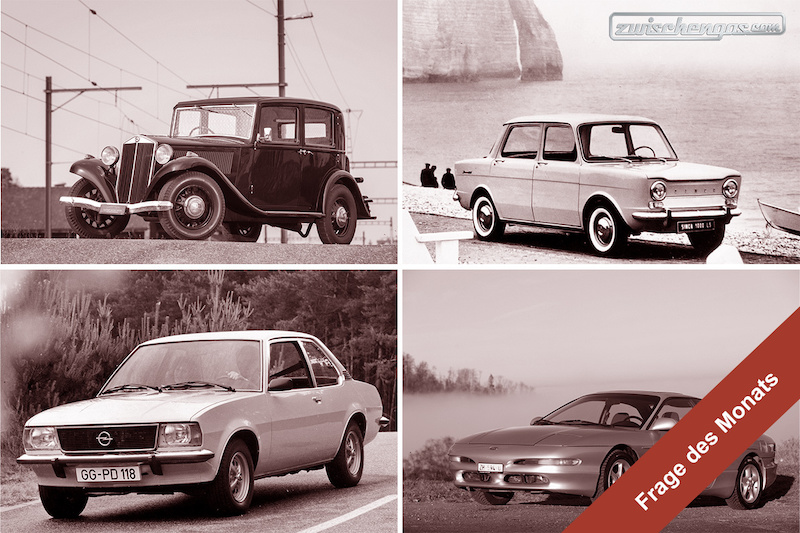
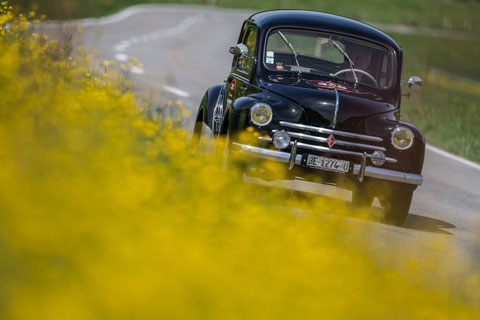
Time and again you see sales advertisements in which a classic car is described as "suitable for everyday use". So it's time to question the term.
In principle, almost all cars were once suitable for everyday use, with the exception of super sports cars close to racing cars (e.g. Ferrari 250 LM) and perhaps leisure cars (e.g. Fiat 500 Jolly).
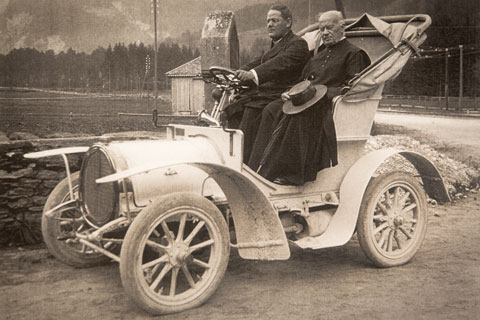
Over the years, however, the idea of what "suitable for everyday use" means is likely to have changed. In the decade of the last century, nobody was bothered by the fact that a car had to be started by hand crank and even in the post-war period, a heater was considered a luxury (or an accessory at extra cost). Unsynchronized gearboxes or gears did not detract from everyday usability even in the 1960s and very few car owners in the 1950s lacked a rear window heater.
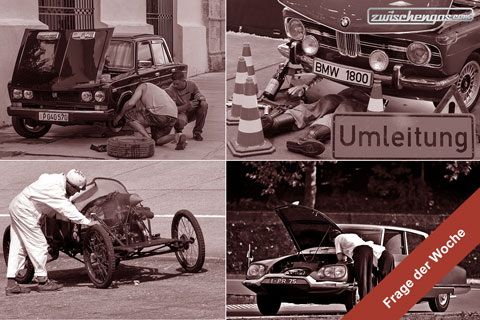
However, anyone who talks about a classic car being suitable for everyday use today basically expects it to behave like a modern car and be able to cope with the stresses and strains of today's road traffic. This means that the car must be able to cope with traffic jams and stop-and-go traffic, be kept running with comparatively little maintenance and start without any problems at any time. It should also be reasonably watertight and not stop working due to electrical overload the first time an additional power consumer is switched on. The car should also be able to withstand frequent starting and stopping and, of course, should not produce any unpleasant odors or above-average noise levels.
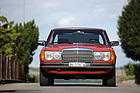
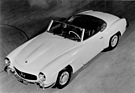
Obviously, a Mercedes-Benz 280 SL (Pagoda), a BMW 2002 or a VW 1500 met these criteria, as the term "suitable for everyday use" appeared again and again in advertisements for these vehicles, along with many others. Nevertheless, many cars that were used a lot in everyday life back then are no longer really considered suitable for everyday use today, simply because they have become older and our expectations have risen ...
And then "suitable for everyday use" is probably not yet synonymous with "everyday use", because just because an old car can do it doesn't mean you want to drive it 30,000 or 50,000 km every year in all weathers ...