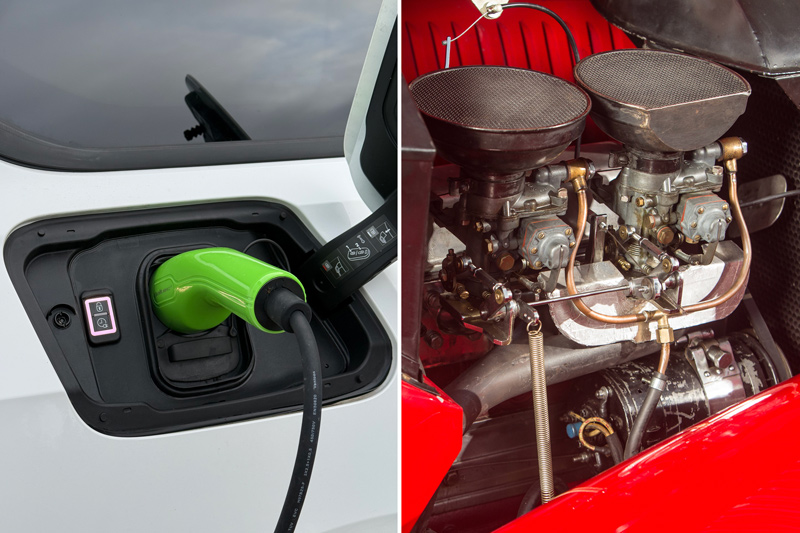
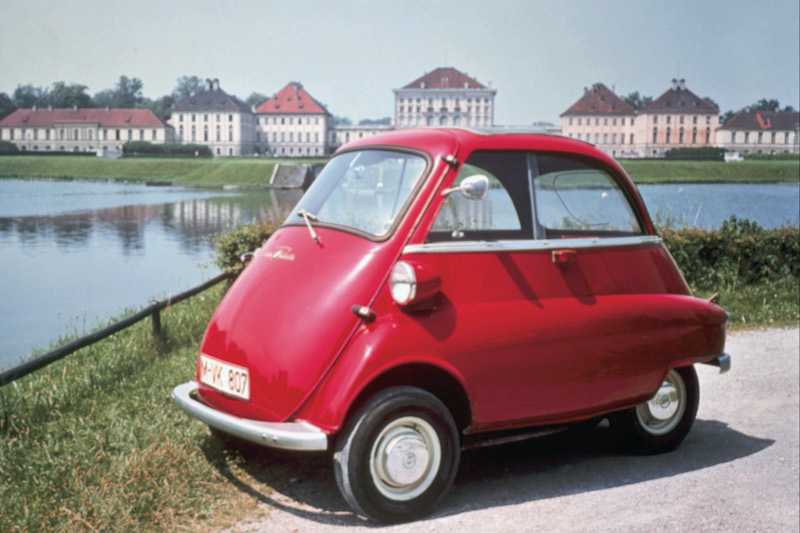
How will the electric generation cope with the old combustion engines?

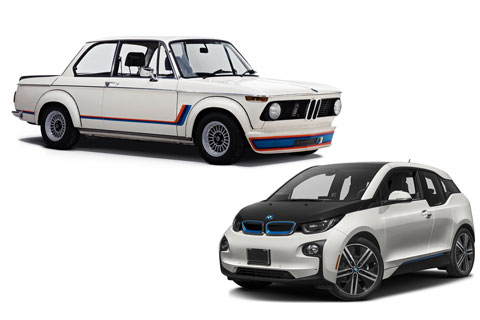
In just over a dozen years, if politicians and other influencers have their way, only electric cars will be allowed to be registered in certain countries. In fact, the progress currently visible in battery and drive technology is enormous and a scenario of electric cars humming quietly and rolling less quietly is no longer as unrealistic as it once was. Future generations will therefore grow up with electric cars, gain their first driving experience in them and use them in everyday life.
But what if these electric car drivers are faced with the task of driving a time-honored "combustion engine" (petrol or diesel car), perhaps 15 or 25 years old by then, i.e. still a youngtimer. From a future perspective, this "dinosaur" will then be crammed with controls that will no longer be needed in 2030 or 2040, such as a clutch pedal or gearshift. If the petrol engine is even older, there may even be a starting aid on board. And electric drivers will not know that a reciprocating engine should not (can not) be fully loaded from the very first moment. The braking effect is also likely to be significantly different, as is the extensive decoupling of brake and drive. And speed and torque have a very different relationship with gasoline and electric motors.
Well, the baby boomers who wanted to were able to learn how to drive a pre-war classic car, so the "millennials" will probably also be able to teach themselves how to drive a car from the seventies/eighties or so.