The will of the blinker switch

.jpg)
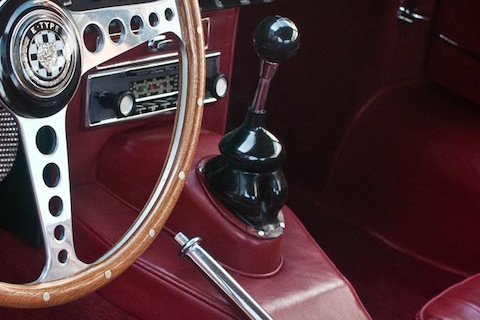
Anyone sitting in a modern car will probably not realize it, but the blinker switch is no longer what it used to be. Decades ago, it was a mechanical device that snapped into place and actuated an electrical switch, which in turn controlled the blinker relay.
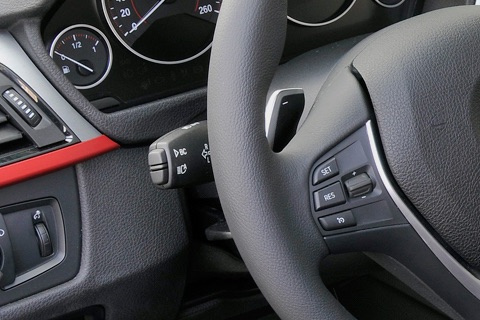
Nowadays, it is just a sensor that tells the computer to flash. In most cases, the lever no longer snaps into place, but returns immediately to its original position. And in many cases there is also a touch function that causes the indicators to flash three times. If you mistakenly tap on the wrong side, you can no longer stop the flashing, because if you want to neutralize on the other side, it simply flashes three times there. You also have to learn how to switch off the continuous flashing, as the blinker switch has already returned to the neutral position.
.jpg)
This used to be much more logical, at least in most cars. Indicators were used when the switch was in the respective position, otherwise not. Not that this always worked perfectly. For example, if you wanted to turn left on a right-hand bend, you could be prevented from doing so by the reset mechanism ...
.jpg)
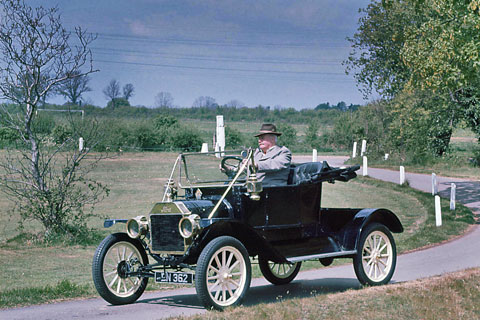
However, even in the past there were plenty of strange ideas about how a turn signal switch should work. Many vehicles, for example, had it on the right instead of the left of the steering wheel, and Peugeot remained faithful to this quirk for a long time. Even before the blinker stalk levers, there were rocker and rotary switches and these also had their own will. Some, for example, turned back automatically after a certain time, probably to protect the blinker. Others could not be made to engage at all.
And then there used to be the hand signal ...