Classic pearls of the future - BMW M3 of the E36 series


Yes, of course, the BMW M3 E30 is hard to "top". But it doesn't need to be, because its successor, the E36 series, also has its charms. And this is mainly based on the straight six-cylinder engine. However, it had to contend with a body that was around 10 cm longer and, above all, a kerb weight that was almost 300 kg higher.
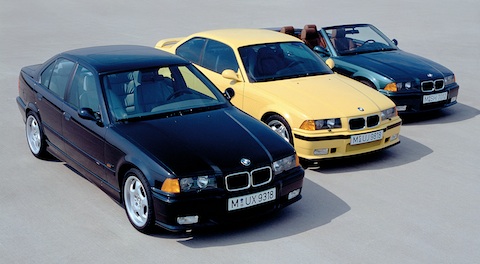
The rounded M3 E36 came onto the market in 1992, with an engine with three liters of displacement and 286 hp under its hood. And the second M3 was also available for the first time with four doors (from 1994) and also as a convertible (from 1994). The only thing BMW was absolutely unwilling to give the fans was a station wagon.
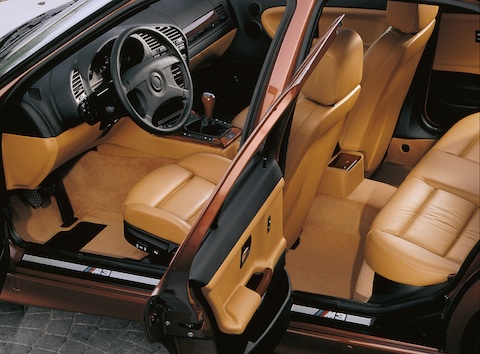
In terms of unit sales, the second M3 clearly outperformed its predecessor; over 70,000 units were built by 1999 and some of them were also fitted with the SMG automated manual gearbox (from 1996). As early as 1995, the engine output was increased to 321 hp by increasing the displacement to 3.2 liters.
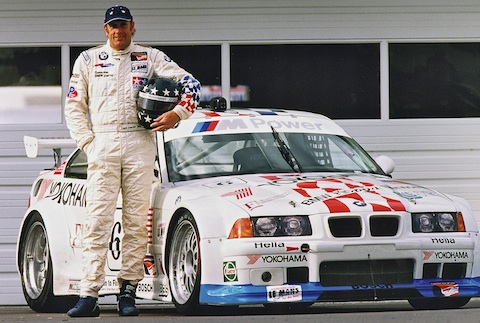
In racing terms, however, the E36 M3 earned far fewer laurels than its predecessor, although Hans-Joachim Stuck competed with the M3 in the American IMSA Championship and as a GTR the car was seen on many racetracks, including in the hands of amateur racing drivers.
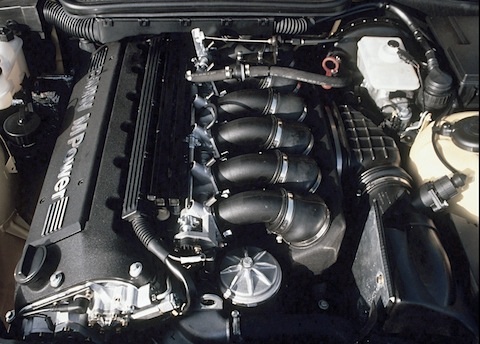
In terms of character, the M3 mutated from an evolutionary racing model to a production sports car with the E36 series, which has probably limited rather than boosted its market value to date. Good examples are traded at around a quarter of the price of their predecessor, but who knows whether this will remain the case.
The M3 E36 is always attractive to drive and should the straight-six engine disappear one day, it will be remembered with nostalgia.