Daytime running lights on classic cars - consequences must be expected

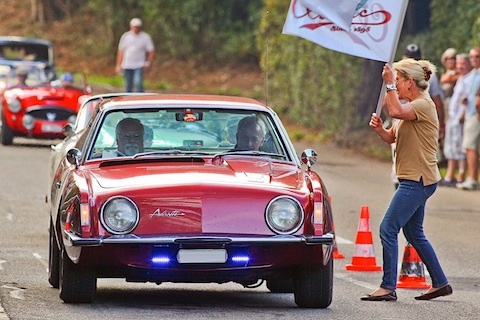
Since January 1, 2014, driving with lights on during the day has been mandatory in Switzerland. Fortunately, an exception has been made for classic cars that were put on the road before January 1, 1970. These may continue to be driven without lights during the day. However, if the lights were really supposed to help road safety, then the "exceptional drivers" would probably have to consider driving with lights after all, so as not to be completely lost in the dark next to the modern vehicles, some of which have very bright daytime running lights.
Modern cars make use of special LED daytime running lights, which require hardly any power and are increasingly becoming a design element of the car. Older vehicles, however, are dependent on the use of dipped headlights, which of course requires significantly more electricity and even results in additional fuel consumption. There is also an increasing risk that the lights will not be switched off when the car is parked, as many vehicles from the 1970s or 1980s did not yet have automatic switch-off devices.

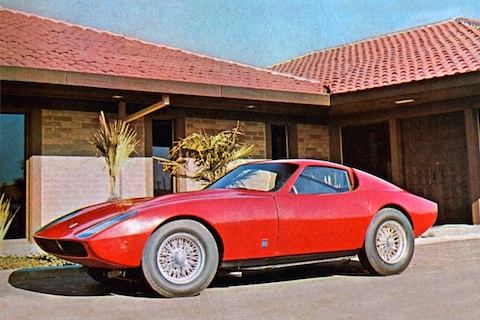
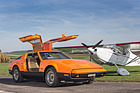
Sports cars with folding headlights are particularly badly affected, as their appearance often suffers and air resistance increases. So it's no wonder that classic car owners are also coming up with the idea of retrofitting their cars with LED daytime running lights, as this eliminates most of the disadvantages mentioned.
However, they are now entering a gray area as far as veteran registration is concerned (special status for classic cars (code 180), which allows several cars to be registered on one license plate and extends the motor vehicle inspection interval to six years). LED auxiliary lamps are not contemporary accessories/additional parts and do not belong on a veteran from the point of view of the road traffic authorities.
An inquiry at the Zurich Road Traffic Office revealed that the retrofitting of LED lights on veteran vehicles is not considered mandatory. If the vehicle owner nevertheless opts for a voluntary retrofit, he would lose the benefits of veteran status, i.e. his vehicle would be treated like a more modern second-hand vehicle, would have to be inspected every two years and could not be redeemed for a veteran license plate.
Other road traffic authorities take a slightly more pragmatic view of this and, when asked, said that veteran status could be maintained if the LED lights could be removed without leaving a trace.
So there is not yet complete agreement between the cantons, but it is hoped that FEDRO or the Association of Road Traffic Offices will soon be able to come to a joint regulation. In fact, there have hardly been any such cases so far, said a spokesman for a road traffic office.
Well, we have already seen a few of these vehicles on the road and there will probably be more and more. Whether new-fangled LED lights really belong on a classic car, if you apply aesthetic and cultural heritage criteria, is a completely different question.