Daytime running lights and their consequences for classic car and youngtimer drivers


Daytime running lights have been mandatory in Switzerland since January 1, 2014, and since yesterday, offending drivers have also been fined. This means that cars built in 1970 or later now have to drive with their lights on at all times, either with specially standardized daytime running lights or with low-beam headlights. While France and Germany only recommend this, Austria even abolished it again in 2008.

Drivers of vintage and classic cars are somewhat unsettled and are looking for ways to avoid the disadvantages of this new obligation. For example, it is easy to forget to switch on the lights in old cars because there is no automatic system to help. The additional fuel consumption, which is estimated at 0.2 liters per 100 km, is also a thorn in the side, as is the risk of forgetting to turn off the lights when stopping during the day.

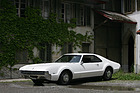
Owners of cars with pop-up headlights are particularly displeased. In many cases, they look less elegant with the sleepy eyes open and the additional fuel consumption is likely to be significantly higher than average due to the impaired aerodynamics.

Some people are thinking about retrofitting LED daytime running lights that are as invisible as possible and are already falling into the next trap. Because fitting such modern light units naturally jeopardizes the vehicle's originality and therefore its eligibility for registration as a veteran or cultural asset on wheels.
Incidentally, it is not possible to prove whether daytime running lights really do lead to a reduction in accidents and their consequences across the board. Side effects on pedestrians and cyclists, who are now less visible in comparison, and motorcycles, which are no longer as conspicuous, have hardly been researched, for example ...