When original thinking jeopardizes safety ...


The large number of collectors' vehicles and the privileges that classic cars often enjoy make life difficult for some vehicle owners. Of course, they would like to keep their car as original as possible, but at the same time they are also concerned about safety, especially if they want to use their vehicle in historic racing or at fast-paced classic car events.
A frequent weak point of the ageing car is the chassis, which in the sixties and seventies was often designed as a tubular frame. And there were even manufacturers who made their chassis from wood or a composite of metal and wood for weight reasons. These materials do not last forever, the rigidity suffers, the weld seams break and rust more or less obviously gnaws away at the car's foundations.
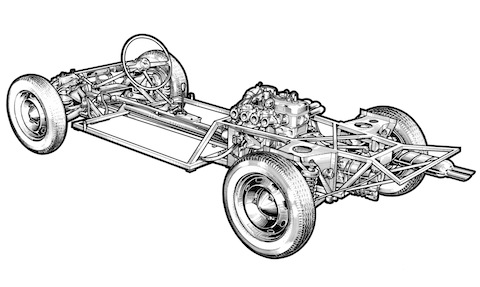
Replacing the entire frame would make sense in many cases because, firstly, a replacement chassis can be manufactured today in much more durable and better quality and, secondly, some traces of a long car life (including those caused by accidents) can hardly be removed without a trace.
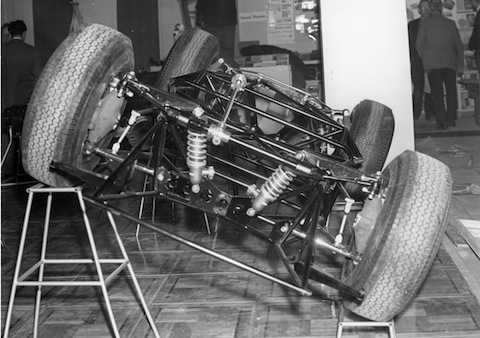
However, both the FIVA and the registration authorities may have a different opinion; in extreme cases, even the operating license could expire, or in simpler cases, the H registration or the veteran's certificate. And this is despite the fact that safety would be better served in most cases, because today's weld seams last longer, modern steel is stronger and generally speaking, specialized companies today have more know-how than the small sports car builders of the sixties.
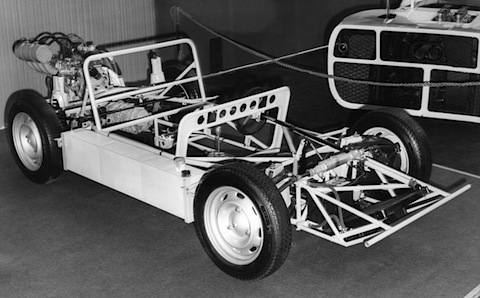
But safety is obviously not a valid argument for the guardians of originality. At least not yet ....
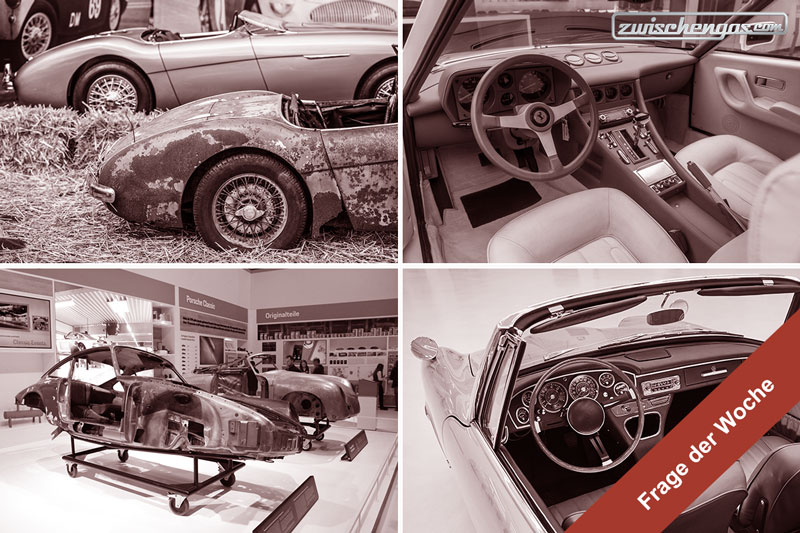
P.S. If you're in a puzzling mood, you can also try to identify the four chassis shown here.