Would Porsche's mid-engined sedan have stood a chance?


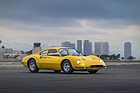
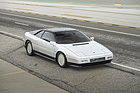
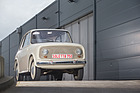
While the mid-engine ensured convincing dynamics and racing success in sports cars from the 1960s onwards, hardly any saloon car manufacturer dared to use this design. For good reason, because if the engine is placed in the middle, valuable usable space is lost that would normally be taken up by the passengers.
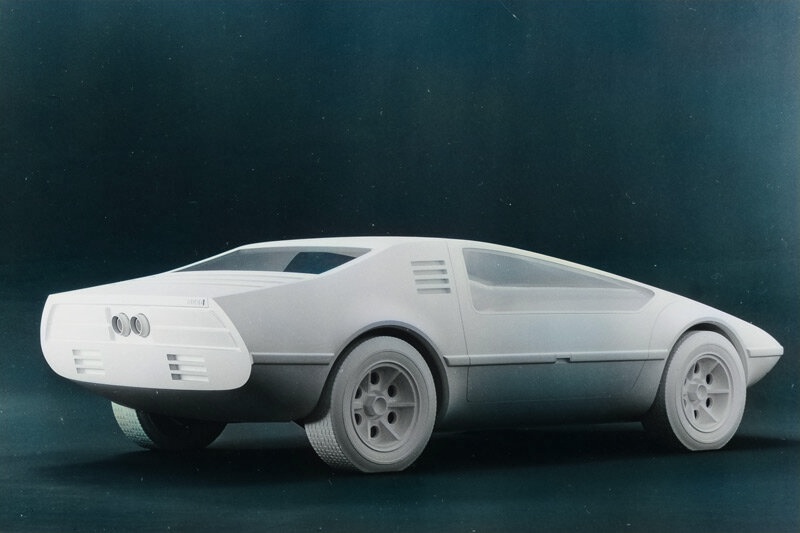
Porsche tried anyway and developed the EA 266 for Volkswagen at the end of the 1960s, a family sedan with the potential to replace the VW Beetle.
The result spoke for itself, as the car was in a class of its own in terms of driving dynamics. It is said to have been 187 km/h fast thanks to an injected 100 hp four-cylinder engine with a displacement of 1.6 liters, and the road holding would have driven many a sports car driver to despair.
The engine was pushed under the rear seat of the car to save space, and that's where the problems began. Because this is where the most road dust occurs, there was a lot of engine damage and because it was not easy to access the engine, it had to be removed for comparatively simple maintenance work.

In any case, Volkswagen was not convinced by the Porsche concept, which had also been considered with other bodies, and instead brought the VW Golf onto the market. The rest is history.