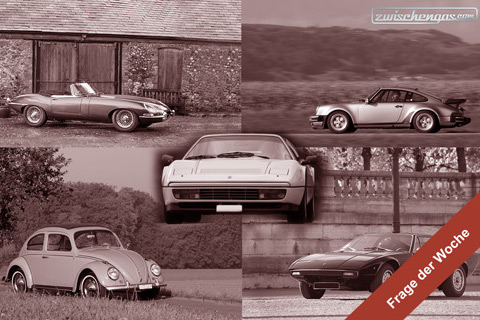
Classic cars as investment objects?

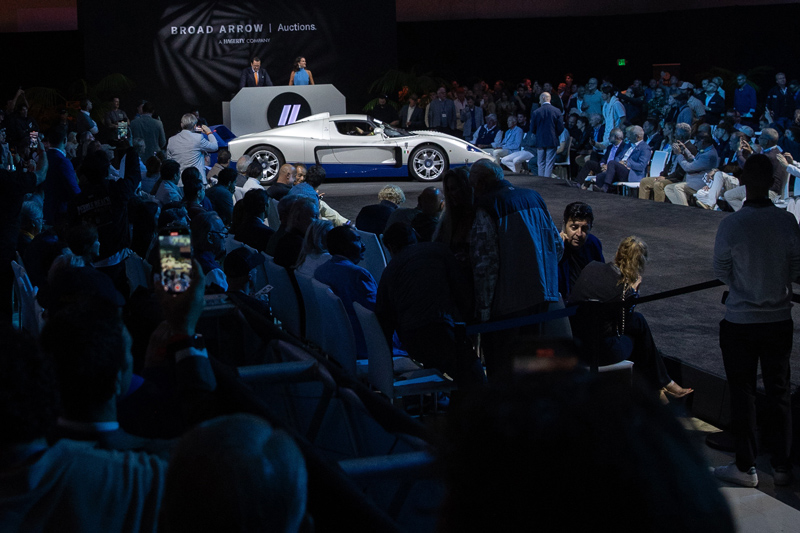
We were somewhat surprised to read a new article by Fabian Hoberg in the "NZZ" ( " Neue Zürcher Zeitung") entitled "Oldtimer als Anlageobjekt - wenn Blech zu Gold wird".
Somehow the article seems a little out of date, five or eight years too late. It speaks of steadily rising prices since the turn of the millennium and of old cars as more stable investments than shares, real estate or even precious metals.
And he mentions the following rule: "A car is considered an investment if the value of the vehicle, including maintenance costs, has not fallen after a few years when sold, adjusted for inflation."
Of course this rule is correct, but are there really many cars that have increased in value over the last five or eight years under this consideration? Because maintenance/value retention including insurance/garage and care can quickly eat up CHF/EUR 10,000 to 20,000, inexpensive vehicles quickly fall out of the running anyway. And for many more expensive vehicle segments, especially pre-war, post-war and 1960s cars, we are now in a buyer's rather than a seller's market. Prices are under pressure, currency devaluations, inflation, customs/transportation problems and the lack of new blood in some cases are doing the rest.
The recent auctions have once again shown that even "blue chips" bought at high prices a few years ago are no longer worth as much today as they were back then. Some "gold" is turning back into simple "tin". Hundreds of thousands are then quickly lost.
Nevertheless, Hoberg is right with one statement: "Prospective buyers should first have a great passion for cars. If this results in an investment, all the better. But if you're just looking for an investment, you should rather choose other investment objects ..."
Of course, there are still many cars that have increased in value in recent years, especially rare super sports cars from the 1990s, evolution series cars and modern hyper sports cars. In many cases, however, these are hardly ever driven and are primarily preserved; some collectors (or investors) do not even have direct access to their own cars. Is that still fun?