The blue hour

When the sky is clear, the transition between day and night is always a colorful spectacle.
The resulting "blue hour" has a very special meaning in photography and refers to the short period of time between the two twilight phases, morning and evening, when the sun is so low that the blue light spectrum still dominates the sky. For a moment, the deep blue sky takes on the color temperature of artificially generated light.

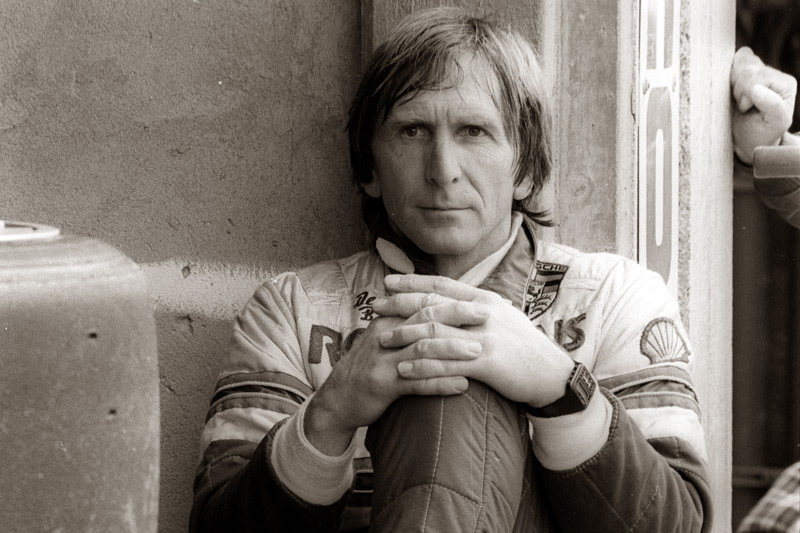
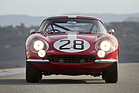
The Italian diva, the 250 LM, stands deep blue on the equally deep blue central reservation of the pit lane under this same deep blue canopy of sky. One of these Ferraris from the "North American Racing Team" surprisingly won the 24 Hours of Le Mans in 1965 with the up-and-coming Austrian talent Jochen Rindt and the American Masten Gregory at the wheel. Since then, no car from Maranello has been able to win the overall classification of this endurance classic. The 3.2-liter 12-cylinder engine produced 320 hp and helped the coupé reach a top speed of 290 km/h. In 2023, Ferrari will attempt to claim its 10th overall victory and first since 1965 with the 499P hypercar project.
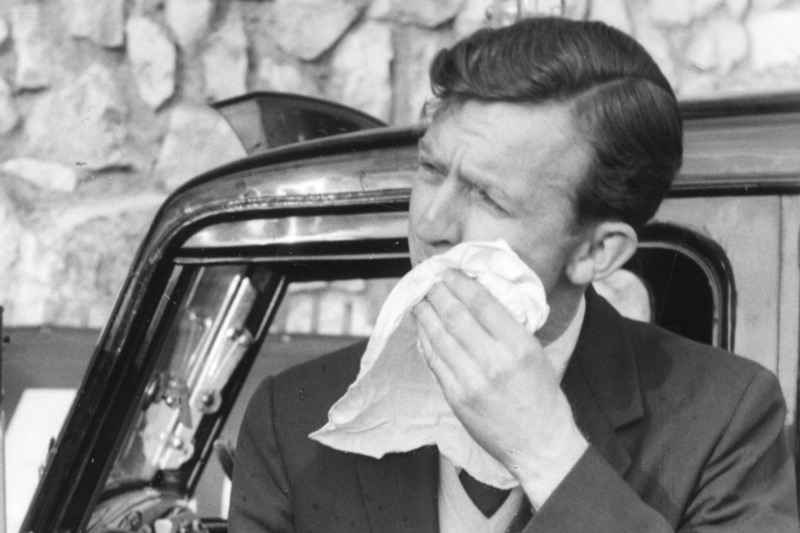
An anecdote in passing: the very short-sighted Masten Gregory visited the pits unexpectedly at four o'clock in the morning and complained of vision problems due to the smoke from the numerous barbecues around the track. Jochen Rindt was not scheduled to return for around two hours and could not be found at that time. So Ed Hugus, who was on site, took Gregory's helmet and drove his stint to the end. This story remained a secret until 2005, and it was only Hugus' letter that shed light on it when he announced "his" Le Mans victory 40 years later.