The right to repair


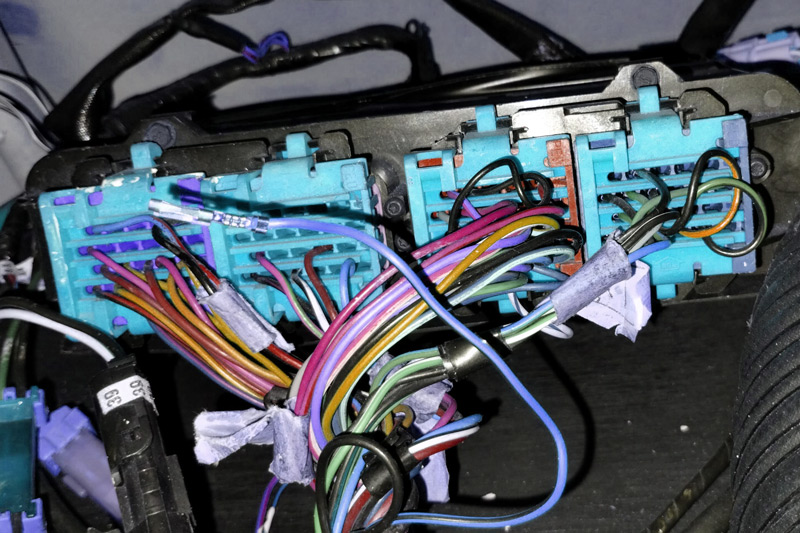
Cars have become increasingly complex, networked and digital over the years. While a talented mechanic can still get to the bottom of the problems of a pre-war classic car or even a 1960s classic with comparatively simple equipment, this is impossible with modern cars. Although standard interfaces have been created with OBD/OBD2, many things run on the bus systems that only the component manufacturer understands in detail.
It is almost impossible for an outsider to replace components that are no longer available with alternatives that require intervention in the control software or change the dialog on the bus system (keyword CAN bus). This would require the documentation of interfaces, protocols, software and components.
The Americans recognized this quite early on and began to introduce the "Right to Repair". If the consumer or independent service providers can obtain and enforce this right to repair, then the manufacturer of products is obliged to provide them with the necessary information and diagnostic options so that they can carry out repairs. At the end of the day, products may even have to be designed differently to comply with the "Right to Repair" regulation.
The young American car manufacturer Aptera wants to take a big step here and, for example, disclose the source code of the software used. It remains to be seen whether this alone will be enough to allow companies to carry out repairs "themselves". But in principle, the right to carry out repairs sounds like a good thing.