The schnapps needle - a schnapps idea?


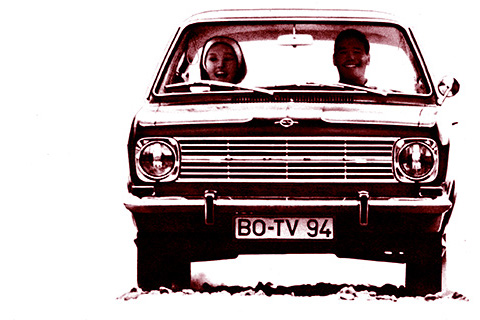
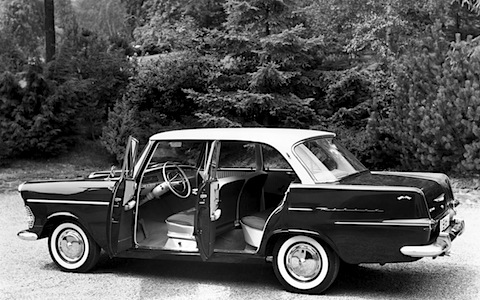
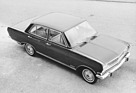
Drugs, fatigue, mental stress - driving ability can be impaired by much more than just alcohol. Which is why alcohol tests are of little use. At least according to General Motors. In 1973, the Americans therefore introduced a system called "Critical Tracking Task", which was linked to the steering of the car (pictured is an Opel Rekord), as a more practical test of driving ability.
Before setting off, the driver had to correct the deflections of a pointer in an instrument on the center console for ten seconds by moving the steering wheel. If he failed three times in a row, the CTT prevented the engine from starting - and could only be retested half an hour later at the earliest.
Another advantage over conventional alcohol tests is that the pure alcohol level says little about the driver's fitness to drive. Habitual drinkers could still drive better with a higher blood alcohol level than occasional drinkers who are only slightly drunk. Internally, the system was therefore quickly nicknamed the "liquor needle".
"The future has begun!" enthused Automobil-Revue on the occasion of the presentation at the 1974 Geneva Motor Show, but not for the CTT. Although the system worked surprisingly reliably in a series of GM tests, it was unable to establish itself in series production. Almost 50 years later, we can therefore say that General Motors wanted to drive towards a safer future with the CTT - but it was not roadworthy.