It used to be easier - from racing to the road


Sports cars, super sports cars, hyper sports cars - not only is performance constantly being increased at an incredible rate, but new superlatives are also constantly being presented.
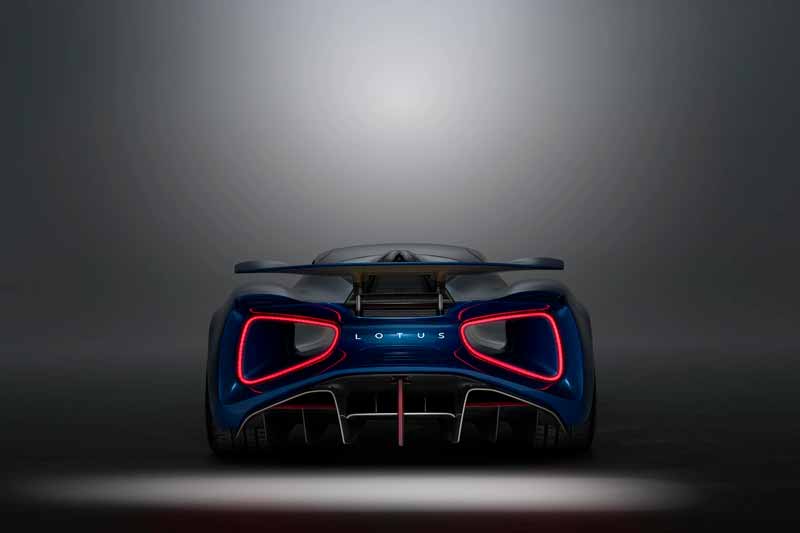
Just a few decades ago, a solid 200 to 300 hp was enough for a fast sports car, but from the 1980s onwards, 400 hp and more were required to belong to the super sports car club. Recently, however, 1000 hp and more have become the entry ticket to the guild of hyper sports cars, small series vehicles costing millions, which actually hardly make any sense in today's world of transportation.
But apparently this is exactly what the super-rich of our time want to buy. The Bugatti Veyron started it all, and since then the McLaren P1, Chiron, Porsche 918 and the like have been competing for this market.
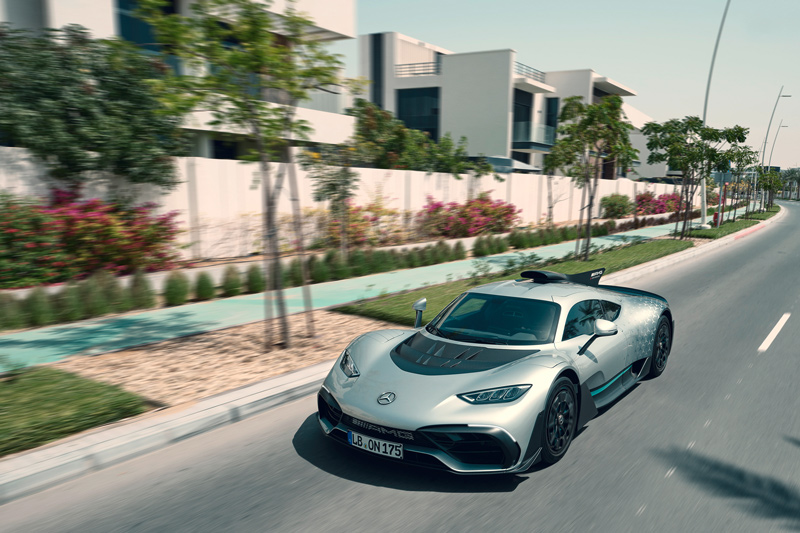
Only the best and most expensive is good enough to justify the millions invested by buyers. Apparently, you can also miscalculate quite a bit, as Marcus Schurig recently explained in his article on the Auto Motor und Sport website. Apparently, the Mercedes-AMG Project One project is not quite going according to plan. In the search for superlatives, it was announced that the racing engine from the Mercedes Formula 1 car would be installed. The car should have been launched on the market in 2019, but is currently scheduled for 2021. The reason for this is the racing engine, which is difficult to trim for road use. Anyone familiar with Formula 1 can imagine the difficulties. Unlike in Grand Prix training, the owner of an AMG Project One naturally has no desire to carefully feed preheated cooling water through the veins of his F1 engine before the start. And the legislators do not allow the hyper sports car to produce the kind of exhaust emissions that a racing engine likes to produce. However, the engine is stubborn when it comes to using multiple catalytic converter stages and particulate filters. Not an easy task to solve.
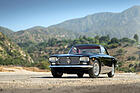
The people at Maserati in the sixties had it much easier. Back then, they also thought that a racing engine in a road-going sports car, then called a Granturismo, could be a good sales argument.
So they civilized the thoroughbred racing engine from the Maserati 450 S, of which a small number was still lying around, built it into the chassis of the 3500 GT and had coachbuilders put a magnificent shell over it. The Maserati 5000 GT was finished as the most expensive sports car of its time, although it did not cost 50 to 100 times more than the average consumer's car as it does today, but a modest 20 times.
And it worked more or less straight away, so that almost three dozen of them were sold within a few years. Most of them have survived to this day and can still be serviced by more or less normal mechanics and, if necessary, repaired with spare parts that can be remanufactured. Only then will we know for sure whether this will also be possible in 20 or 30 years' time with hyper sports cars costing millions. However, most of them will just disappear into a collector's hall anyway, whereas a Maserati 5000 GT was even used in everyday life by one or two buyers back then.