Fast, light and efficient - or super-safe?


Anyone who has ever wondered how light modern cars could be if safety standards (passive safety) were dispensed with can take the bicycle, or more precisely the racing bike, as a yardstick.
Around 40 to 50 years ago, a sturdy racing bike (pictured above) weighed around 9 to 10 kg; today, a competitive racing bike (with significantly enhanced equipment) weighs around 6 kg, and the lightest bikes are even lighter.
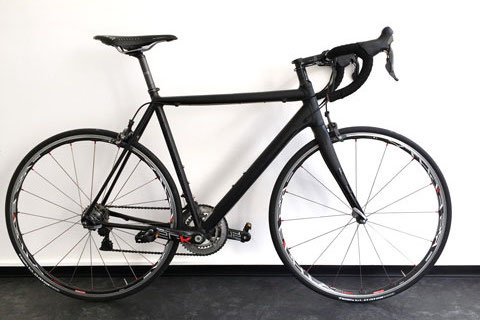
If similar progress were to be made in automobile construction, or if a similarly radical approach were to be taken, then today you could buy a 400 kg sports car with 200 hp and more. Or a super sports car weighing 600 to 900 kg and with over 500 hp. In reality, however, today's super sports cars weigh well over a ton, and a Bugatti Chiron weighs almost two tons. There are hardly any really lightweight vehicles.
Only a few small-series sports cars in the style of a Caterham Super Seven or a Radical go in the other direction, but even the Super Seven today weighs more than its predecessor from the 1960s. This also has to do with the fact that, compared to a bicycle, a car places significantly more weight (in both senses of the word) on the tire width/wheels and braking system. And that every increase in performance automatically places higher demands on these components. So more power automatically means more weight. With bicycles, on the other hand, performance (limited by human muscle power) has only increased minimally.
Today, a super sports car with minimal weight and a lack of safety features would probably be just as difficult to sell as it would be to register. But as a thought experiment, the parallel to the racing bike is still interesting ...