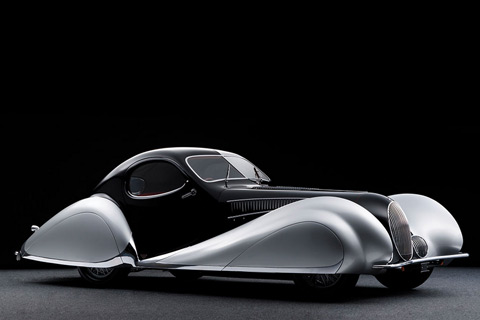
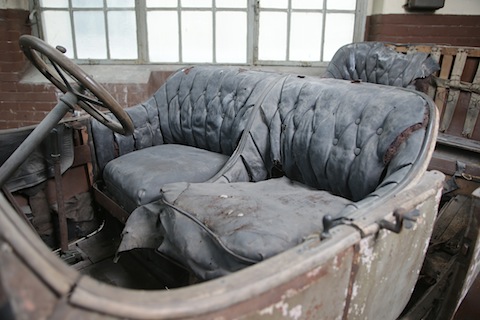
More beautiful/better than new or as true to the original as possible?


We hear/read it again and again. A proud owner describes his car as more beautiful or better than new. What he is saying is that thanks to modern technology and a more careful use of materials, cars can now be restored to a better or more beautiful condition than was possible at the factory. The reason for this may be that today more time is taken for clean bodywork transitions, more beautiful and better welding, more expensive and perhaps stiffer or lighter materials can be used, a piece of sheet metal can be shaped longer to bring it exactly into shape, etc.
But is a car that has been upgraded in this way still original? Shouldn't it be restored to exactly the same quality as it was back then, even if things can be done better?
Of course, if you are restoring a car today, you want to create a product that lasts as long as possible. Whereas 50 years ago manufacturers might have had a lifespan of five or ten years in mind, today a restored car should last for the next 30 or 50 years. And to achieve this, it may need to be refurbished better than new (and better protected against rust and environmental influences). This would be in the interests of preserving the cultural heritage, but perhaps not in the interests of originality. A perhaps unsolvable dilemma ...