Car sharing and the impact on classic cars
03/11/2014

Everyone is talking about car sharing. Companies such as car2go, Flinkster and mobility are growing rapidly and are increasingly seen as a viable model for the future. And why not? Most cars are parked more than they are driven. According to a recent study, only 10% of vehicles would be needed if everyone got involved in car sharing and gave up their own car. The younger generations in particular seem to be very positive about the "using instead of owning" model, as it feels like the "Spotify" service, which allows music listeners to "stream" their songs on demand instead of buying them on CD.
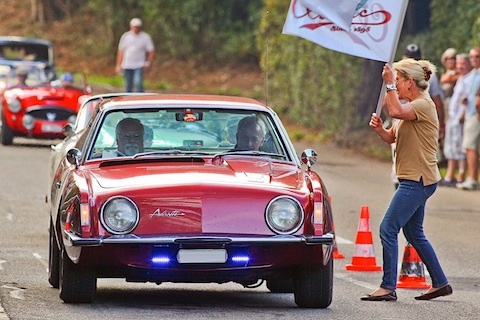
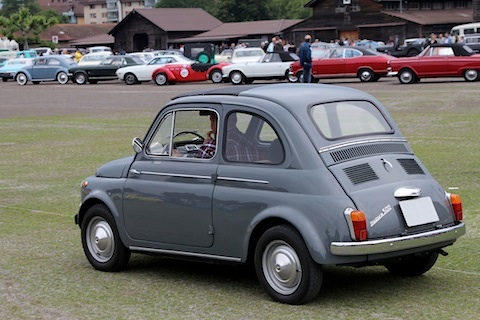
If car sharing catches on, will this automatically herald the end of the classic car? Hardly, in fact quite the opposite, as it could even give the classic car movement a boost. Instead of blocking their money in a modern car, car enthusiasts would have free funds to buy (and maintain) an old vehicle. The parking or garage space no longer used by the modern car would also benefit the old vehicle. And there might even be more space on the road because fewer people would be driving. In addition, the car-sharing services would probably also offer vans and cars with trailers that could be used to transport your own classic car if necessary.
Whether you could even "share" your classic car with others is doubtful, however, as the repair risks and sensitivity to treatment of old cars do not make them ideal car-sharing vehicles, even if some specialized car rental companies would like to prove us wrong. In addition, owning and collecting classic cars are essential aspects of the passion.
However, there is still a small problem: Where will the classic cars of tomorrow come from if no one owns their own cars any more and the less individualized range of vehicles on offer is geared towards utility and ease of use?