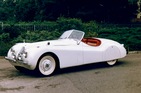
Déjà vu? The convertible threatens to disappear (for the third time)


You hardly notice slow changes. They are not even noticeable. For example, the proportion of convertibles in new registrations (in Germany) has been falling for years. In 2008, 5.18 percent of open-top cars were convertibles, but this figure fell to 2.28 percent in 2019 (measured from January to May). You could almost call it an endangered species.
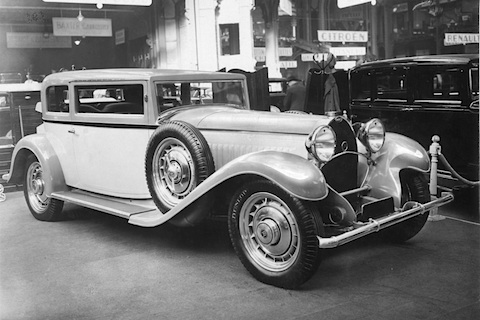
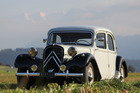
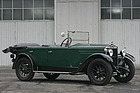
We've seen this before, for example in the pre-war period, when car buyers increasingly opted for saloons, or in the 1970s, when it was thought that safety regulations would put an end to the convertible. But then came the eighties and with them the new joy of open-top driving. BMW E30, Audi 80 Cabriolet and Mazda MX5 were the new superstars. And Volkswagen even built its own convertible model, the EOS, which was not simply a cut-open saloon. Opel and many other suppliers did the same.
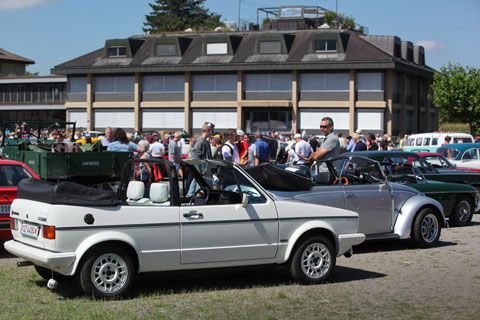
This now seems to have come to an end. After the demise of the New Beetle Cabriolet, Volkswagen no longer has an open-top car in its range, as the Golf has not been available as an open-top for some time now. The registration figures (in Germany) for other convertibles do not paint a good picture: the open-top Mini, for example, fell by 12.1% compared to the previous year, the Mercedes C-Class Cabriolet by 19.6% and the open-top BMW 2-series by 22.9%. The Opel Cascade Cabriolet managed just 157 new registrations this year and will be withdrawn from the market at the end of 2019.
Although new convertible models are still being produced, the boom seems to be over for good.
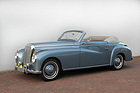
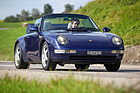
Who knows, perhaps the remaining models will soon become the classic pearls of the future.
Auto Bild magazine, from which the figures quoted originate, also wondered why demand is falling so much and suspects that car buyers have probably taken a liking to other body shapes as a status symbol and prefer crossovers, SUVs or coupés to convertibles. In any case, this time it is not due to the legal framework.