Original condition, "matching numbers" and the future of classic cars

In the past, the world was a simple one. You bought a car with an engine and gearbox and had three numbers that today, 30, 50 or 80 years later, are the best match to make the classic worth its price.
However, changing an engine was a fairly common occurrence in the past, and car manufacturers even offered special exchange engines for this purpose.
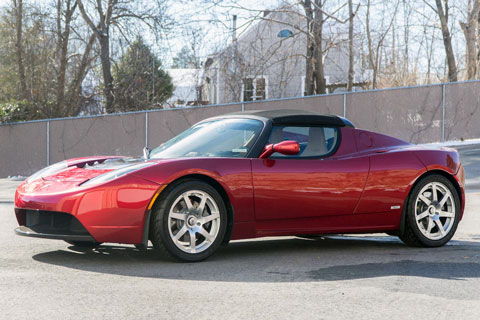
But what will it be like in the future? Tesla, for example, already offered upgrades for the Roadster, where motors and battery packs were replaced as required. Do these components carry numbers? Are they decisive for originality? Will the software versions also be included in the originality check in future?
What criteria will be used to assess the originality of a BMW i8 in 20 years' time? Will it be enough if the original three-cylinder engine is still on board or will the batteries and all electric motors also have to be from the year of birth?
It looks very much as if the issue of "original condition" will be no less complicated in the future than it is today ...